 Skip to content
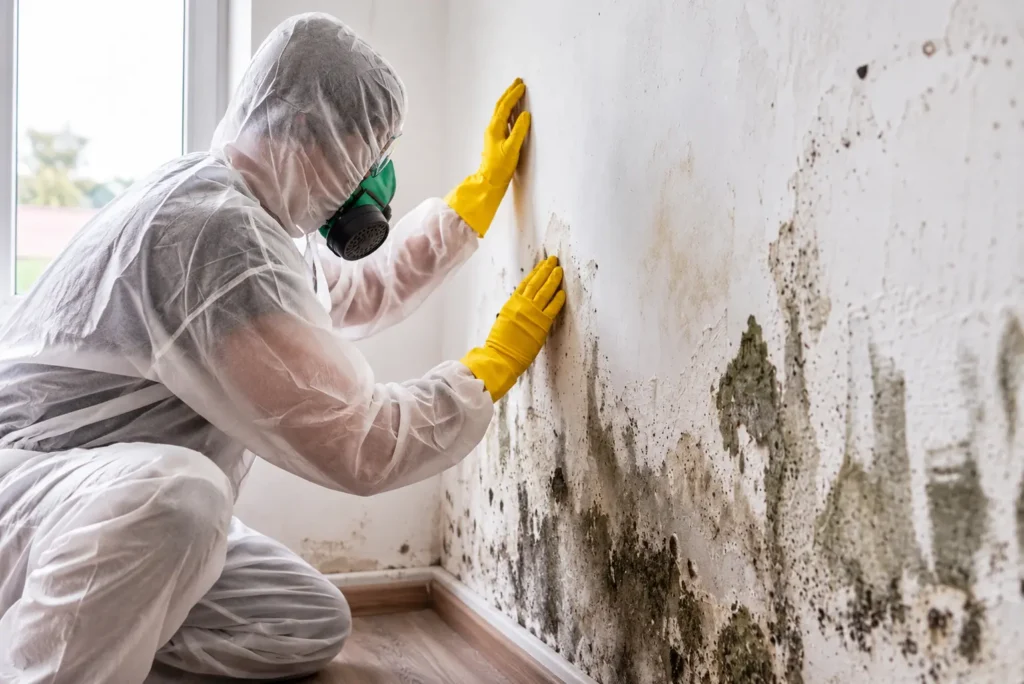
Mould inspection Melbourne services can help investigate recurring growth, musty odours and moisture conditions before you decide what work may be required.
Mould that keeps returning is frustrating. A persistent musty smell can be even harder to deal with when there is no obvious source to inspect.
Repeated cleaning may improve the surface without explaining the conditions behind the problem.
Our mould inspections in Melbourne focus on the affected area, surrounding building conditions and signs of excess moisture that may be contributing to mould growth. Moisture readings can help identify areas that warrant closer investigation and provide more information before remediation, drying or repair work is recommended.
If mould keeps returning, staining has appeared without a clear explanation or part of the property smells damp, an inspection can help establish what deserves attention next.
Before You Remove the Mould, Find Out What May Be Contributing to It
Mould growth is closely linked with moisture.
Victorian research supports looking beyond the visible growth. The Building and Plumbing Commission identifies mould in buildings as an indicator of an underlying moisture problem and reports that water damage routinely tops the list of building defects and complaints it encounters.
Cleaning visible growth may improve the surface, but it does not establish how the conditions developed or whether moisture remains within affected materials.
A surface can appear dry while moisture is present elsewhere in the building assembly. Previous leaks, plumbing failures, water ingress and other moisture events can leave affected materials requiring closer assessment.
The inspection starts by gathering evidence about the condition of the property before further work is recommended.
Recurring Mould Can Point to an Unresolved Moisture Source
Mould returning in the same area deserves investigation.
A wall may be cleaned and repainted while the moisture condition behind the damage remains unresolved. If damp materials or continuing water ingress are involved, the surface may look better for a period without addressing the conditions contributing to recurring growth.
This is why the mould needs to be considered alongside the surrounding property conditions.
Musty Odours and Staining Can Point to Areas Worth Investigating
Visible mould provides one piece of evidence.
Persistent musty odours, discolouration, water marks, peeling finishes and areas that repeatedly feel damp can also indicate a need for investigation.
Some properties have an obvious history of water entry, such as a roof leak, burst pipe or flood. Others present with a smell, stain or recurring patch without an obvious source.
A professional inspection provides a defined place to start investigating those conditions.
What We Look for During a Mould Inspection in Melbourne
A mould inspection service should narrow the problem and provide useful information for deciding what happens next.
We assess the visible condition of the affected area, surrounding materials and signs of moisture movement or water impact. Moisture detection may also be used where it can add useful information to the inspection.
We Inspect the Visible Damage and Surrounding Building Conditions
The visible patch does not automatically reveal the full extent of the affected area.
We look at where mould appears, signs of nearby water impact and surrounding building materials that may have been exposed to moisture.
The pattern of staining or growth can also help determine whether adjoining areas warrant closer assessment.
This broader inspection is particularly useful where mould has previously been cleaned and returned.
What Different Signs May Tell Us to Investigate
No single symptom establishes the full extent or cause of a mould problem. Different signs can, however, help direct the inspection.
| What you notice | What an inspection may investigate |
| Mould repeatedly returns | Moisture conditions and surrounding materials |
| Persistent musty odour | Areas that may warrant closer investigation |
| Water staining or peeling finishes | Evidence of water impact or moisture movement |
| Previous leak, flood or plumbing problem | Whether relevant materials require further assessment |
| Abnormal moisture reading | Whether closer investigation of that area is warranted |
These observations need to be considered together rather than treated as proof of a particular problem by themselves.
Moisture Readings Help Us Look Beyond the Surface
Our restoration services include moisture assessment and moisture mapping. These methods allow us to collect information about moisture conditions within affected areas and compare them with surrounding materials.
Moisture readings can direct attention towards areas that require further investigation. They can also assist with documenting the extent of water involvement during a restoration assessment.
Moisture Detection Helps Direct Closer Investigation
A moisture reading can indicate that a material has an abnormal moisture condition compared with surrounding areas.
That reading adds another piece of evidence to the inspection. Elevated readings in a wall, floor or other building material may justify further assessment and can influence the recommendations made.
Property owners concerned about hidden mould should understand the limitation of this method.
Moisture readings can identify suspicious moisture conditions. A reading alone cannot confirm mould growth inside a concealed cavity.
We Base Recommendations on the Evidence We Find
Each inspection should lead to a response that fits the condition of the property.
Some findings may indicate a contained issue. Other properties may need further moisture investigation, structural drying, mould remediation or repair work.
The next step should follow the site findings rather than assuming every inspection requires the same scope.
What Happens After We Identify the Problem
Many people contact Trade Select because they are uncertain which service their property requires.
They may be trying to decide between an inspection, mould remediation, structural drying, moisture assessment or repair work.
The inspection can help define that decision.
We Explain Our Findings and the Options That Follow
The next stage depends on what is identified at the property.
Excess moisture may need to be addressed before other work proceeds. Depending on the circumstances, further services could include moisture assessment, drying, mould remediation or associated restoration work.
Trade Select works across these areas, allowing mould to be assessed within the broader condition of the property.
If you have recurring mould or signs of water damage, contact our team to discuss an inspection.
When Mould May Be Part of a Wider Moisture Problem
The size of a visible mould patch does not establish the moisture conditions in nearby materials.
Where mould appears alongside previous water damage, recurring dampness or unexplained staining, the surrounding area may warrant closer assessment.
Ongoing Moisture Can Affect the Restoration Scope
If building materials remain damp, the appropriate response may extend beyond cleaning visible mould.
Depending on the site findings, further work could involve moisture investigation, structural drying, mould remediation or associated repairs.
The inspection helps establish which conditions are present before that scope is defined.
Earlier Assessment Provides a Clearer Starting Point
Repeated cleaning or repainting does not establish whether moisture remains within affected materials.
An inspection can provide more information about the property before remediation or repair work is approved.
This helps distinguish a limited surface issue from conditions that warrant further investigation.
Mould Inspection for Homes, Rentals, Strata and Commercial Properties
The questions surrounding mould can change according to the property and the people responsible for it.
A homeowner may want to understand why mould keeps returning in a bedroom. A landlord may need to establish whether moisture or a building defect needs attention. A strata manager may be dealing with damage involving shared building elements.
Commercial property managers may need documentation to plan work around tenants, staff or business operations.
Different Properties Create Different Inspection Priorities
Our restoration work covers residential and commercial properties, including situations where assessment and reporting help determine the next stage of work.
Landlords, strata managers and commercial property managers may need documented observations to support repair planning and discussions with relevant stakeholders.
Homeowners often have a simpler goal: understanding what is happening in the property and what they should consider doing next.
The inspection should help answer the decision facing the property owner.
Why Melbourne Property Owners Contact Us Before Choosing the Next Step
Trade Select Building Restoration provides mould inspection alongside mould remediation, moisture mapping, structural drying, water damage restoration, site assessment and reporting.
This combination allows mould to be assessed in the context of a wider moisture or restoration problem where the findings support that approach.
We Work Across Inspection, Moisture Assessment and Restoration
Our team deals with mould as part of broader property restoration work.
If moisture is contributing to the condition, we can assess the affected area and recommend the next stage based on what we find. If remediation is required, the scope can be developed from the property assessment.
Our team is IICRC-certified, and our restoration work draws on recognised industry practices for water damage and mould remediation.
You can also read about our Melbourne mould assessment service if the source or extent of the problem remains uncertain.
One Assessment Can Create a More Defined Path Forward
An inspection should leave you with useful information about the observed condition, whether excess moisture appears to be involved and which action deserves consideration next.
That action may involve remediation, further moisture investigation, drying or a building repair that needs to be addressed before restoration work proceeds.
The site findings guide the recommendation.
Still Unsure Whether You Need an Inspection? These Are the Questions We Hear Most
People generally contact us because part of the situation remains uncertain.
There may be visible mould, a persistent smell, previous water damage or a problem that keeps returning after cleaning.
These questions can help determine whether an inspection is a sensible next step.
Can You Inspect Mould if I Cannot See Where It Is Coming From?
Yes. Visible mould is one part of the assessment.
We can inspect surrounding conditions and use moisture readings where appropriate to identify areas that may warrant closer investigation.
Some concealed locations require additional investigation before their condition can be confirmed. Moisture readings alone are not treated as proof of hidden mould.
What Is the Difference Between Mould Inspection and Mould Remediation?
A mould inspection assesses the condition of the property and looks for factors that may be contributing to the mould problem.
Mould remediation deals with controlling and removing mould contamination once the required scope has been established.
An inspection helps establish that scope before remediation work begins.
Can Moisture Readings Tell You Whether Mould Is Hidden Inside a Wall?
Moisture readings can identify abnormal moisture conditions that warrant further investigation.
They cannot independently confirm mould growth inside a concealed wall cavity.
The readings need to be interpreted alongside visible conditions, the history of the property and other observations made during the inspection.
Should I Arrange an Inspection if Mould Keeps Returning After Cleaning?
Recurring mould is a reasonable reason to investigate the conditions supporting the growth.
Cleaning can remove visible contamination from a surface while leaving a moisture source unresolved.
An inspection can help determine whether moisture assessment, remediation or repair work should be considered.
Can You Inspect Rental, Strata and Commercial Properties?
Yes. Trade Select provides restoration services across residential and commercial properties and works with property owners, managers and insurance-related stakeholders.
An inspection can be especially useful where several parties require a documented understanding of the observed damage and recommended next stage.
What Happens if You Find Water Damage as Well as Mould?
The findings determine the appropriate next stage.
The response may involve further moisture assessment, structural drying, mould remediation or associated restoration work.
The site condition determines the scope.
How Soon Should I Investigate Unexplained Staining or a Persistent Musty Smell?
Persistent or recurring signs deserve investigation, particularly after a leak, flood, plumbing problem or previous water damage event.
Assessment can provide more information about the condition before decisions are made about remediation or restoration work.
Concerned About Hidden Mould? Get the Property Properly Assessed
Mould inspection Melbourne services can provide a clearer starting point when recurring mould, unexplained staining or musty odours leave the source or extent of a problem uncertain.
Trade Select can inspect affected areas, assess moisture conditions where appropriate and recommend the next step from the findings.
Our wider restoration capabilities include moisture mapping, structural drying, mould remediation and associated restoration work, allowing the property to be assessed in the context of a broader moisture problem where required.
Read more about our mould inspection service.
If you are concerned about mould or hidden moisture in a Melbourne property, contact Trade Select Building Restoration to discuss an inspection and establish what should happen next.
