
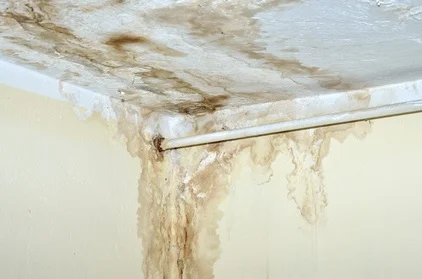
Mould after water damage can appear even when walls, ceilings and floors look completely dry. Moisture sometimes remains inside building materials after visible water has disappeared, creating conditions where mould can develop without being immediately noticeable.
A leaking roof might be repaired, the wet area cleaned and the room returned to normal use. Weeks later, a musty smell develops or dark marks appear near the original damage. This does not automatically mean the earlier drying work was inadequate, but it is a reason to investigate whether moisture remains or another problem has developed.
At Trade Select Building Restoration, we assess moisture intrusion, structural drying requirements and mould contamination to determine what is happening within affected materials. The following five warning signs can help property owners and managers recognise when further investigation may be necessary.
5 Warning Signs Your Property Has Not Dried Properly
Removing standing water does not necessarily mean the affected building materials have finished drying. Changes in smell, surface finishes and the condition of timber or plasterboard can provide clues about moisture-related problems.
These signs do not always confirm that a property is still damp or that mould is present. They indicate areas worth investigating, particularly when they appear after a previous leak, flood or drying project.
1. A Persistent Musty Smell
A musty smell that remains after water damage deserves attention, especially when it comes from a room affected by an earlier leak or flood. Damp building materials, microbial activity or other moisture-related conditions may be responsible.
The smell might become stronger after a room has been closed for several hours or persist despite normal cleaning and ventilation. Although an odour alone cannot confirm mould or identify its location, it can provide a useful starting point for investigating concealed moisture.
If the smell is concentrated near a wall, floor or cupboard that was previously wet, record where and when you notice it. An assessment can help establish whether moisture is still present behind finishes or whether another source of dampness needs attention.
2. Mould or Discolouration Returns After Cleaning
Dark patches or mould-like marks that repeatedly appear in the same location can indicate that the conditions supporting growth remain. This may occur around windows, plumbing connections or sections of wall exposed to recurring moisture.
Cleaning can remove visible contamination from suitable surfaces, but it does not necessarily address dampness inside plasterboard or other porous materials. If those materials remain affected, mould may return even after the exposed area looks clean.
Rather than repeatedly treating the stain, note how quickly it returns and whether it appears after rainfall, plumbing use or periods of condensation. These details can help identify possible moisture sources and determine whether further drying or mould remediation is needed.
3. Skirting Boards, Doors or Flooring Have Changed Shape
Timber and timber-based products can absorb moisture and change shape after a leak or flood. Swollen skirting boards, distorted door frames, raised flooring edges and unusual movement in timber floors may indicate earlier water exposure.
These changes do not always mean the materials are still wet. Some swelling and distortion remain after drying, especially where water has caused permanent damage to the material.
Check whether the changes are worsening or whether new gaps, raised edges or sticking doors have appeared. Moisture measurements and material assessment can help distinguish ongoing dampness from damage that requires repair or replacement.
4. Paint Is Bubbling or Plasterboard Feels Soft
Bubbling paint, peeling finishes and softened plasterboard can indicate moisture-related deterioration within a wall or ceiling. These changes may appear where water has affected the material beneath a painted surface or spread through an adjoining cavity.
Repainting can improve the appearance of the damage without resolving the underlying cause. Where plasterboard has softened or lost strength, drying alone may not restore it to a suitable condition for continued use.
Record the location and extent of the damaged finish, particularly if it appears to be spreading. Avoid pressing on unstable or sagging ceiling materials, and arrange an assessment before deciding whether drying, repair or replacement is appropriate.
5. Damp Marks or Condensation Keep Appearing
Recurring damp patches can indicate ongoing water entry, condensation or another moisture-related problem. The location and timing of the marks often provide useful clues about the source.
A ceiling stain that becomes more noticeable after rainfall may suggest a roof leak, while condensation around windows can be associated with indoor humidity, temperature differences or ventilation. These conditions require different investigations and may not involve the same restoration work.
Keep a record of when the marks appear, whether they change with the weather and which rooms are affected. Identifying the cause is more useful than repeatedly cleaning or painting over the same area.
Where Hidden Moisture May Be Causing the Warning Signs
Walls, ceilings and floors contain several layers of material that can retain moisture after exposed surfaces appear dry. Insulation, flooring underlay and concealed wall cavities may dry more slowly than surrounding surfaces, particularly where airflow is restricted.
The location of the original leak can also be misleading. Water entering through a roof or plumbing connection may travel along framing before collecting some distance from where it entered the building.
When warning signs persist after cleaning or repairs, moisture assessment can help establish whether water remains within the structure or whether a new source of dampness requires attention.
Why Roof Leaks Can Affect Insulation and Ceiling Cavities
Water entering through a damaged roof does not always appear directly below the entry point. It may follow framing, ceiling supports or other building elements before reaching an exposed surface.
Depending on the roof construction and the path taken by the water, insulation and other concealed materials may become wet. If suitable drying conditions are not established, retained moisture can contribute to deterioration or mould growth.
An investigation should consider the likely water pathway rather than assuming the damage ends at the ceiling stain. Where insulation or framing is suspected to be affected, further inspection may be required before reinstating ceiling finishes.
How Moisture Becomes Trapped Beneath Flooring
Floor coverings can restrict airflow to damp underlay, adhesives and substrates following flooding or a plumbing leak. Different materials absorb and release moisture at different rates, which means the exposed floor surface may dry sooner than the layers beneath it.
A floor can therefore feel dry while moisture remains within the flooring assembly. However, distortion or lifting may also be the result of earlier water damage, even when the affected materials have subsequently dried.
The flooring type, water source and condition of underlying materials determine the appropriate response. Some systems may be suitable for controlled drying, while others require lifting or removal to assess trapped moisture and contamination.
Why Cleaning the Surface May Not Resolve the Problem
Visible mould can appear to be a surface-cleaning issue, but repeated growth may indicate that the moisture source has not been corrected. Cleaning an accessible patch does not establish whether the surrounding building materials are dry or suitable for retention.
The response should reflect the type of surface, extent of contamination and moisture conditions rather than relying on the appearance of the stain alone.
Removing Stains Is Not the Same as Removing Contamination
Some cleaning products improve the appearance of mould staining without adequately treating contamination within porous materials. A wall or ceiling may look cleaner even though affected plasterboard or insulation remains unsuitable for retention.
Limited contamination on a suitable non-porous surface may be treated differently from mould affecting insulation, plasterboard or concealed cavities. Where growth is extensive, recurring or difficult to access, professional assessment may be appropriate.
The objective is to understand the condition of the material and decide whether effective cleaning is possible. Where contamination or deterioration cannot be adequately addressed, controlled material removal may be necessary.
Why the Moisture Source Must Be Addressed
Cleaning mould from a wall will not resolve a roof leak above it. If water continues entering the building, the same materials may become damp again, creating conditions in which mould can return.
Similar problems occur with leaking plumbing, persistent condensation and moisture trapped beneath flooring. Identifying the cause helps determine whether the property needs repairs, structural drying, ventilation changes or mould remediation.
Australian public health guidance also highlights the value of acting promptly after water damage. South Eastern Sydney Local Health District’s mould guidance recommends cleaning and drying water-damaged surfaces within 48 hours to help prevent mould.
This is preventative advice, not a claim that mould always starts growing after exactly two days. If warning signs appear later, the condition of the affected materials and any ongoing moisture source still need to be investigated.
How Professionals Investigate the Warning Signs
Structural drying and mould remediation address different aspects of moisture-related property damage. Where mould develops following a leak or flood, an assessment can establish whether retained moisture, contamination or material damage requires further treatment.
At Trade Select Building Restoration, we investigate affected areas using moisture assessment methods and observations of building conditions. The findings help determine whether drying, material removal or mould remediation is appropriate.
Moisture Measurements and Affected-Area Investigations
Moisture meters and mapping techniques can help identify and record areas affected by water. Hygrometers provide information about environmental conditions, including humidity, that may influence drying.
Thermal imaging can also highlight temperature differences that warrant further investigation. However, a thermal camera does not directly measure moisture or confirm the presence of mould, so its findings must be interpreted alongside material readings and other observations.
The assessment considers the building’s construction, the original water source and the condition of affected materials. These details help establish whether further investigation is needed beyond the visible warning signs.
Drying, Containment and Remediation Decisions
The appropriate restoration sequence depends on the extent of contamination and the materials involved. Where established mould is present, containment or controlled removal may be necessary before certain drying activities begin.
This distinction matters because uncontrolled airflow can disturb contaminated materials. Equipment selection and the order of work need to account for the conditions within the affected area rather than treating drying and mould removal as separate, unrelated tasks.
Some materials can be dried and retained, while others may need removal before the remaining structure can be treated. Trade Select’s structural drying and mould removal services can support both stages where the property’s condition requires them.
When Damaged Materials Need Repair or Replacement
Not every material exposed to water must be replaced. Some remain suitable for drying and retention, while others may have deteriorated, become contaminated or suffered damage that cannot be restored effectively.
The decision depends on the water source, material condition and findings of the assessment. The table below outlines the principal issues that may influence treatment.
| Affected material | What the assessment may identify | Possible response |
| Plasterboard | Softening, deterioration or contamination | Dry and retain where suitable, or replace |
| Insulation | Water exposure or contamination inside a cavity | Assess for drying or removal |
| Timber flooring | Swelling, distortion or remaining moisture | Controlled drying, repair or replacement |
| Underlay and substrates | Trapped water or contamination beneath flooring | Further drying, access or removal |
When removal is necessary, exposed areas can be inspected and treated before replacement materials are installed. Where materials remain suitable, controlled drying and moisture monitoring may support their recovery.
A restoration assessment should distinguish between moisture that can be addressed through drying and damage that remains after the material has dried. This helps avoid unnecessary replacement without leaving unsuitable materials concealed behind new finishes.
Frequently Asked Questions About Mould After Water Damage
How Soon Can Mould Develop After a Water Leak?
Mould can develop when sufficient moisture and suitable environmental conditions persist, but there is no single timeframe that applies to every building. The type of material, humidity, temperature and duration of exposure all influence the risk.
Visible mould may also be discovered later than it began developing. Prompt cleaning and drying after water damage help reduce the conditions that support growth.
Can Mould Grow Behind a Wall That Feels Dry?
Yes. Insulation, framing and concealed surfaces can retain moisture even when the exposed wall feels dry, so surface appearance alone is not always a reliable indication of the conditions behind it.
A moisture assessment can help establish whether further investigation or drying is necessary before repairs proceed.
Is a Dehumidifier Enough After Flooding?
Not necessarily. Flood damage may require water extraction, cleaning, material removal and controlled structural drying, depending on the source of water and the materials affected.
A dehumidifier can help remove moisture from the air, but it does not remove established mould contamination or determine whether concealed materials are suitable for retention.
Can Mould From a Leaking Roof Return After Cleaning?
Yes. If the roof continues leaking or affected materials remain damp, conditions favourable to further growth may persist even after the visible mould has been cleaned.
Correcting the leak and assessing the surrounding materials are important steps in deciding whether additional drying or remediation is needed.
When Should I Arrange Professional Structural Drying?
Professional assessment is worth considering when water has entered wall or ceiling cavities, saturated insulation, affected extensive flooring or left persistent dampness after ordinary cleanup.
The assessment can help determine whether specialised drying is appropriate and whether contamination or damaged materials need attention before the drying work proceeds.
Get Hidden Moisture Investigated Before Mould Returns
Persistent odours, recurring marks and changes in building materials are reasons to investigate what is happening beyond the visible surface. They do not establish that mould or retained moisture is present, but they can indicate where further assessment is worthwhile.
If your property has been affected by a roof leak, plumbing failure or flooding, Trade Select Building Restoration can assess moisture conditions and help determine whether structural drying, mould remediation or further repairs are needed.
Contact the Trade Select team or call 1800 953 584. Tell us which warning signs you have noticed, when the water damage occurred and whether the original source of the leak has been repaired.