 Skip to content
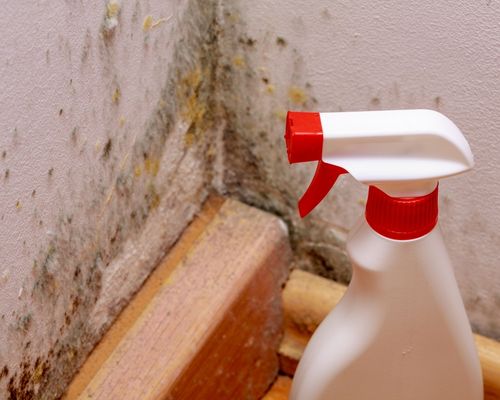
It starts with a faint musty smell in the hallway. Maybe you spot some discolouration near the skirting boards, or your walls feel a little damp to the touch. Before you know it, that silent intruder—mould—has made itself at home. If this sounds familiar, you’re not alone. Across Australia, mould has become a persistent problem, especially in properties exposed to poor ventilation, water damage, or humidity. When surface cleaning just isn’t enough, it’s time to call in the experts and commit to a full mould restoration project.
But what does that really involve?
Let’s walk through every stage of a professional mould remediation—from the first phone call to the final clearance test—and explain why professional mould removal is the gold standard when it comes to protecting your health and property.
Stage 1: Initial Inspection and Mould Assessment
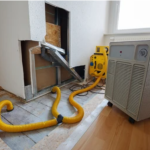
The process begins with a comprehensive inspection carried out by a certified mould removal company. This isn’t just about checking visible patches of mould. It’s a deep-dive diagnosis of what’s causing the issue and how far it’s spread.
During this step, technicians may use:
- Moisture meters to detect water behind walls
- Thermal imaging cameras to reveal hidden damp areas
- Air quality tests to measure spore levels in various rooms
- Visual inspections in roof cavities, subfloors, and under carpets
At the end of the inspection, you’ll receive a report that outlines the type of mould present, the affected zones, and the scope of work required.
A reputable provider of mould restoration services will also explain any risks to your health or property—and walk you through a custom remediation plan.
Stage 2: Containment and Safety Setup
Once mould is confirmed, the next priority is preventing it from spreading to clean areas.
Professional technicians will isolate the affected zones using:
- Plastic sheeting and negative air pressure machines
- HEPA-filtered air scrubbers to trap airborne spores
- Floor protection and door seals
This step is vital for safety—especially if anyone in the property suffers from allergies, asthma, or compromised immune function.
Containment also ensures that the remediation process won’t cross-contaminate other rooms during removal.
Stage 3: Mould Removal and Material Disposal
Now the real work begins.
Depending on the severity, the professional mould removal team will either clean or strip out affected materials:
- Non-porous surfaces like tiles and glass are cleaned using antimicrobial solutions and HEPA vacuums
- Semi-porous or porous materials like plasterboard, carpet, insulation, and timber may need to be cut out and safely disposed of
- All contaminated waste is bagged, sealed, and removed following industry protocols
Professionals also treat the area to eliminate remaining spores. Some providers use eco-friendly fogging or ozone treatments to sterilise the space without introducing harsh chemicals.
This isn’t a quick job—and it shouldn’t be. True remediation takes time, care, and attention to detail.
Stage 4: Drying and Structural Restoration
Once the mould is removed, drying the space is essential to prevent it from coming back.
A top-tier mould removal company will bring in:
- Commercial dehumidifiers
- Air movers
- Moisture monitoring equipment
These tools run for 24–72 hours (or more) depending on the environment and humidity levels.
At this stage, if structural repairs are needed—like replacing walls, ceiling panels, or flooring—your provider may coordinate with builders or offer the service in-house as part of their complete mould restoration services.
Stage 5: Post-Remediation Testing and Final Clearance
Once everything is cleaned, dried, and restored, it’s time for clearance testing.
This usually includes:
- Air sampling to check that spore levels are within safe ranges
- Surface sampling in key areas
- Moisture re-testing to confirm all hidden dampness is resolved
Only when all tests are clear is your home or business officially deemed safe for re-occupancy.
A reputable provider will give you final reports that include before-and-after documentation—useful for insurance claims or future resale.
Bonus Stage: Prevention and Education
Professional companies don’t just fix the problem—they help you stop it from coming back.
As part of the final stage, you may receive guidance on:
- Improving airflow and ventilation
- Installing exhaust fans or dehumidifiers
- Checking roof gutters and external drainage
- Monitoring humidity levels seasonally
Some will even offer ongoing maintenance inspections for properties that are at higher risk.
Why You Should Always Choose Professional Mould Removal
Here’s the truth: not all mould can be seen—and not all damage is visible. That’s why DIY cleaning often fails and why hiring a handyman or general cleaner can make things worse.
Professional mould removal ensures:
- Proper identification of the mould type
- Certified, safe, and compliant practices
- Long-term prevention—not just temporary fixes
- Health and safety standards are followed for your family, tenants, or employees
- Insurance compatibility, with accurate reporting and documentation
A full mould restoration project is more than cleaning—it’s a comprehensive plan to restore indoor health and structural integrity.
Trade Select Building Restoration: Your Trusted Experts
If you’re searching for a reliable team in Australia that delivers end-to-end remediation, Trade Select Building Restoration is your go-to solution.
They specialise in:
✅Professional mould removal for residential and commercial spaces
✅ Certified mould restoration services after leaks, storms, or damp issues
✅ Full project management from inspection to post-remediation testing
✅ Local expertise, fast response, and quality results
Whether you’re dealing with hidden roof leaks, musty smells, or visible black mould—get expert help from a mould removal company with a proven track record.
Visit tradeselectbuildingrestoration.com.au to book a FREE inspection or get same-day advice from Melbourne’s trusted team.
FAQ: What to Know Before Booking Mould Restoration Services
Q: How long does a full mould restoration project take?
A: Depending on severity, it can take from 2 days to 2 weeks, including drying and clearance testing.
Q: Is mould dangerous to my health?
A: Yes. Mould spores can trigger allergies, asthma, and respiratory issues—especially black mould or hidden infestations.
Q: Will the mould come back?
A: Not if the source of moisture is resolved and the job is done correctly. Professional remediation includes prevention advice to stop recurrence.
Q: Is professional mould removal expensive?
A: Costs vary, but trying to “cut corners” with cheap or DIY solutions often results in repeat infestations—and bigger bills in the long run.
Q: Can I stay in my home during the restoration?
A: In many cases, yes. But if the damage is extensive or toxic mould is present, temporary relocation might be recommended.
