 Skip to content
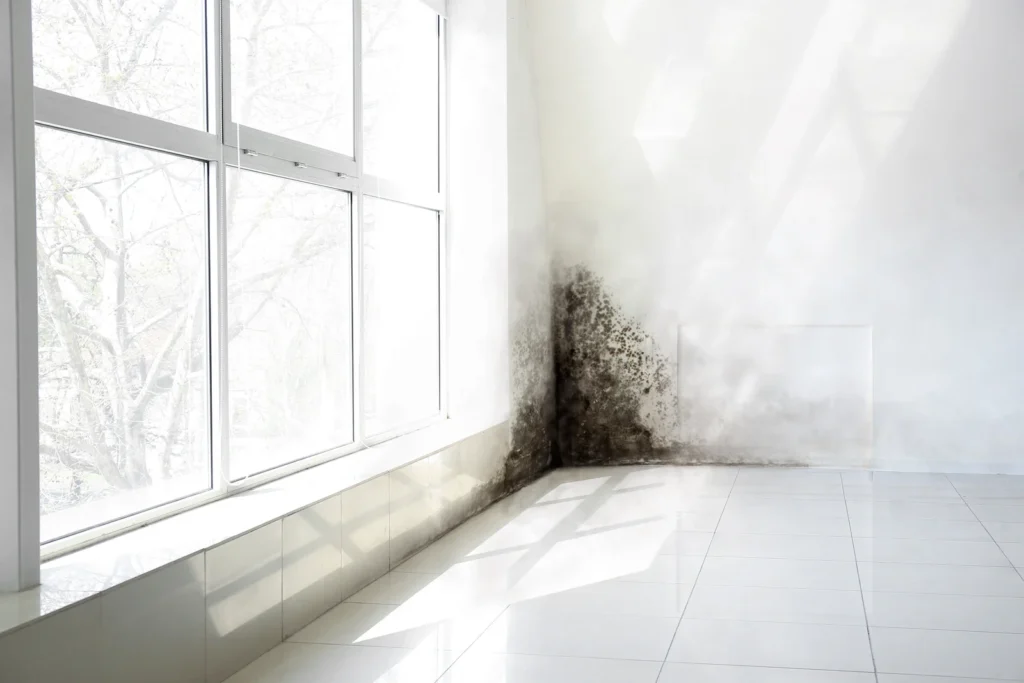
Mould is more than just an unsightly problem. For building owners across Australia, it’s a compliance issue that carries legal, financial, and health consequences. If your property isn’t meeting Australian mould guidelines, you could be facing insurance claim rejections, regulatory fines, or even tenant disputes.
This article unpacks the essential mould compliance standards you need to know and gives you a clear roadmap to protect your property while staying within the law.
Mould Compliance in Australia: Why Building Owners Can’t Ignore It
Australian building codes and mould guidelines exist for one reason: to protect health and structural integrity. Mould can spread quickly in damp environments, damaging plaster, timber, and insulation. Beyond property damage, mould spores are proven to trigger respiratory issues, allergic reactions, and in severe cases, long-term illness.
For building owners, compliance isn’t optional. If a tenant or visitor suffers health problems linked to mould, liability may fall directly on you. This can mean lawsuits, costly repairs, and higher insurance premiums.
Breaking Down the Australian Mould Guidelines. To stay compliant, building owners need to understand the frameworks that govern mould remediation in Australia. Three key references matter most:
1. The Building Code of Australia (BCA)
The BCA requires buildings to be designed and maintained to prevent dampness and mould growth. This includes adequate ventilation, waterproofing, and moisture control. Ignoring these requirements during construction or ongoing maintenance can lead to non-compliance.
2. IICRC S520: Professional Mould Remediation Standard
The Institute of Inspection, Cleaning and Restoration Certification (IICRC) sets the global benchmark for mould remediation. Trade Select technicians are IICRC-certified, meaning their work follows industry-recognised best practice, including containment, safe removal of contaminated materials, and air quality control.
3. EPA Guidelines: Mould Remediation in Schools and Commercial Buildings
The Environmental Protection Agency’s framework provides detailed procedures for safe and effective mould management in large-scale or high-risk environments like schools and offices. Many insurers and compliance auditors reference these guidelines as the gold standard.
Together, these frameworks form the backbone of mould compliance in Australia. For building owners, the challenge lies not just in knowing the standards, but in implementing them correctly.
If you’re unsure whether your building meets these standards, now is the time to seek expert assessment before minor issues spiral into costly disputes.
The Hidden Costs of Non-Compliance with Mould Regulations
Failing to meet Australian mould compliance standards can create ripple effects that impact your finances and reputation. Here’s what building owners risk:
Legal Risks
Tenants or employees exposed to mould may take legal action. Courts have consistently ruled against landlords and building owners who fail to provide safe environments.
Insurance Complications
Insurance companies are increasingly strict when it comes to mould. Claims may be denied if it’s found that mould resulted from poor maintenance or non-compliance with building codes. In other words: if you don’t follow guidelines, you may be footing the entire bill yourself.
Health Consequences
Occupants exposed to mould often suffer asthma flare-ups, sinus infections, and skin irritations. In commercial buildings, this can reduce productivity and increase absenteeism. In rental properties, it can damage your reputation and trigger costly vacancies.
Property Value Decline
Unchecked mould not only damages the building fabric but can also severely reduce market value. Prospective buyers and investors see mould as a red flag for deeper structural or compliance issues.
How to Stay Compliant and Protect Your Property
So how can building owners stay ahead of mould issues and ensure compliance with Australian guidelines?
Step 1: Regular Mould Inspections
Don’t wait for visible mould to appear. Routine inspections can identify moisture issues early. Trade Select offers professional mould inspections that pinpoint sources of contamination and hidden risks.
Step 2: Professional Remediation
DIY solutions like bleach or paint are not compliance-friendly. True remediation requires isolation, safe removal of affected materials, air scrubbing, and clearance testing. Trade Select follows IICRC S520 standards, ensuring every project meets strict compliance benchmarks.
Step 3: Structural Drying and Moisture Mapping
Mould thrives in damp conditions. Trade Select’s structural drying services remove moisture from walls, floors, and framing, not just the air. Their advanced 7-step moisture mapping process identifies hidden water damage and creates a documented compliance trail for insurers.
Step 4: Preventive Maintenance
The best compliance strategy is prevention. Ensure your building has adequate ventilation, prompt leak repairs, and ongoing maintenance checks. Partnering with a professional restoration company ensures small issues are addressed before they become compliance failures.
Here’s What You Might Be Thinking
Isn’t mould just a cosmetic problem?
No. Mould signals deeper issues like dampness, leaks, or poor ventilation. Left untreated, it spreads and creates serious health hazards.
Can I handle mould compliance on my own?
While you can maintain ventilation and fix minor leaks, compliance-level remediation requires certified professionals who can document processes for insurance and legal protection.
What if my building already has mould damage?
It’s never too late to act. The sooner remediation starts, the easier it is to contain and restore compliance.
Do these guidelines apply to both homes and commercial buildings?
Yes. The Building Code of Australia and EPA frameworks apply across residential and commercial properties. Compliance is universal.
Take the Next Step to Compliance
At Trade Select Building Restoration, we’ve helped building owners across Melbourne, Geelong, Sydney, Central Coast NSW, and Tasmania stay compliant with Australian mould guidelines. Our IICRC-certified technicians combine years of expertise with advanced diagnostic tools to deliver full compliance, from inspection through to prevention.
Your property, your tenants, and your bottom line deserve protection. Don’t risk non-compliance, insurance disputes, or costly litigation.
Call 1800 953 584 now or book online at Trade Select Building Restoration. Secure peace of mind with a trusted local team backed by more than 15 years of proven restoration experience.
