 Skip to content
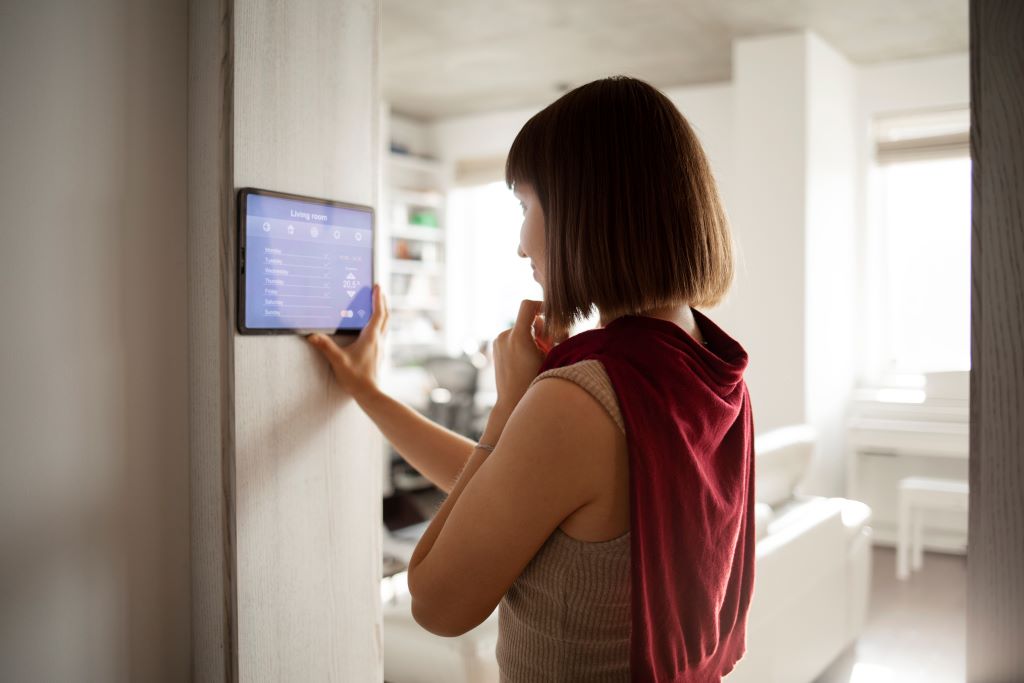
Homeowners today are more aware than ever of how indoor climate impacts both comfort and health. With technology transforming everything from lighting to security, one of the most powerful shifts in home innovation lies in climate control — particularly in how we tackle moisture and mould.
Smart dehumidifiers, once considered niche gadgets, have evolved into essential home devices. They are now part of an integrated network of climate control systems that not only maintain ideal humidity levels but also protect against mould growth, improve air quality, and enhance energy efficiency — all from the convenience of your smartphone.
In this article, we’ll explore how app-connected dehumidifiers are revolutionizing home maintenance, why mould inspection is crucial for long-term health and property value, and how you can choose the perfect system for your space.
Understanding the Importance of Humidity Control
Humidity plays a vital role in indoor comfort and structural integrity. When humidity levels rise above 60%, it creates the perfect breeding ground for mould, mildew, and dust mites. Too little humidity, on the other hand, can cause dry skin, irritated sinuses, and damage to wooden furniture or flooring.
Maintaining the “sweet spot” — typically between 40% and 55% relative humidity — ensures that your home remains both comfortable and safe.
However, traditional dehumidifiers often operate in isolation. They require manual monitoring, regular emptying, and guesswork to maintain consistency. This is where smart climate control systems come in — bridging convenience and technology for effortless moisture management.
What Makes a Dehumidifier ‘Smart’?
A smart dehumidifier connects to your home Wi-Fi or smart hub, allowing remote access through a mobile app. These devices offer real-time monitoring, data analytics, and automated adjustments based on environmental changes.
Here’s what sets them apart from traditional units:
1. App Connectivity
You can check your home’s humidity levels and make adjustments instantly from anywhere. Whether you’re traveling or just relaxing in another room, full control is at your fingertips.
2. Real-Time Alerts
Smart dehumidifiers send instant notifications when humidity levels exceed set thresholds or when maintenance (like emptying the tank or cleaning the filter) is needed.
3. Automation and Scheduling
You can program the unit to run only during certain hours — for example, at night when electricity rates are lower or during humid weather patterns.
4. Smart Home Integration
Many models are compatible with systems like Google Home, Amazon Alexa, and Apple HomeKit, letting you control them through voice commands or integrated routines.
5. Data Insights
Modern systems track humidity trends over time, helping you identify problem areas or conditions that lead to recurring mould.
This blend of technology and automation transforms your dehumidifier into a true climate guardian, actively protecting your home’s air quality.
The Science Behind Mould Growth
Mould is more than just an eyesore — it’s a health and structural hazard. It spreads through airborne spores that thrive in damp conditions. Common causes include:
- Poor ventilation in bathrooms or basements
- Leaking roofs or plumbing
- Condensation on windows or walls
- Humid weather combined with inadequate airflow
Once mould sets in, it releases spores that can cause allergic reactions, asthma, and respiratory infections. In severe cases, it can also damage walls, ceilings, and wooden frameworks, leading to costly repairs.
Smart dehumidifiers prevent mould by maintaining consistent, ideal moisture levels — ensuring those spores never have a chance to grow.
How App-Connected Dehumidifiers Combat Re-Mould
Re-mould refers to recurring mould growth — a common issue when humidity control is inconsistent. App-connected dehumidifiers eliminate this problem through precision and adaptability.
Here’s how:
- Continuous Monitoring: The built-in sensors track moisture levels in real time and automatically adjust operations.
- Remote Intervention: If humidity spikes due to a weather shift or water leak, homeowners receive alerts via their app and can activate the device instantly.
- Room-by-Room Management: With multiple smart units connected, you can maintain balanced humidity throughout your home — from basements to bathrooms.
- Predictive Analytics: Some advanced models use data to predict humidity changes and preemptively adjust performance.
Essentially, your smart dehumidifier acts as an intelligent barrier, preventing re-mould before it ever starts a key solution offered by Trade Select Building Restoration.
Integration With Broader Climate Control Systems
Smart climate control isn’t just about one device — it’s about ecosystem connectivity. When linked with HVAC systems, air purifiers, and smart thermostats, smart dehumidifiers create a seamless indoor environment.
For instance:
- When humidity rises, the dehumidifier activates automatically.
- When the room cools to your ideal temperature, the thermostat adjusts to save energy.
- If pollutants increase, the air purifier complements the system to maintain healthy air quality.
This networked system works as an intelligent team — maintaining the perfect indoor balance without any manual input.
Benefits of Smart Dehumidification
Investing in smart dehumidification technology offers a wide range of benefits:
Healthier Living Environment
Reducing mould, mildew, and allergens improves respiratory health, especially for those with asthma or allergies.
Protection for Your Home
Moisture damage can warp wood, peel paint, and corrode metal. A smart system extends your home’s lifespan.
Energy Efficiency
Because smart devices only operate when needed, they consume less power than constant manual systems.
Convenience and Control
No more guessing or adjusting knobs. The app offers detailed metrics, control, and automation for peace of mind.
Peace of Mind When Away
Monitor your home’s conditions even when you’re on vacation. If humidity rises due to storms or leaks, you can act immediately.
Future Trends in Smart Climate Control
The next generation of smart dehumidifiers will push automation even further. Emerging technologies include:
AI-Powered Humidity Prediction
Artificial intelligence will analyze weather patterns, occupancy data, and past performance to anticipate humidity spikes before they occur.
Multi-Room Sensor Networks
Wireless sensors will allow devices to collaborate, creating home-wide humidity balance.
Sustainability Features
Future models will feature eco-friendly refrigerants, solar integration, and power optimization algorithms.
Enhanced App Ecosystems
Apps will evolve into central control dashboards that manage temperature, air purification, and humidity in a unified interface.
The result? Homes that are not only smart but self-sustaining and self-regulating — a future where mould and discomfort are virtually eliminated.
Conclusion
Smart climate control has transformed the way we live. The app-connected dehumidifier network represents a leap forward in home innovation — a system that protects your property, improves health, and brings intelligent automation to everyday living.
No more reacting to mould problems after they appear — instead, you can prevent them before they start. With smart monitoring, predictive analytics, and real-time control, your home remains a sanctuary of freshness, safety, and peace.
Contact us today to learn how our innovative home solutions can help you create a smarter, cleaner, and mould-free living space.
FAQs
How do smart dehumidifiers prevent mould growth?
Smart dehumidifiers maintain optimal humidity levels using built-in sensors and automation. By keeping moisture between 40–55%, they eliminate the damp conditions mould needs to grow.
Are app-connected dehumidifiers energy efficient?
Yes. They run only when humidity exceeds your set level, unlike traditional units that operate constantly. Many models are also ENERGY STAR® certified for lower energy consumption.
Can I control my smart dehumidifier when I’m away from home?
Absolutely. Most smart dehumidifiers connect to mobile apps, allowing you to monitor and control humidity levels remotely from anywhere with Wi-Fi access.
Do smart dehumidifiers integrate with other smart home devices?
Yes. Many models work seamlessly with Amazon Alexa, Google Home, and Apple HomeKit, enabling voice commands and automated routines within your connected ecosystem.
How often should I clean or maintain my smart dehumidifier?
It’s recommended to clean the filter every 2–4 weeks, empty the tank regularly, and check for firmware updates monthly to keep your unit performing efficiently.
