 Skip to content
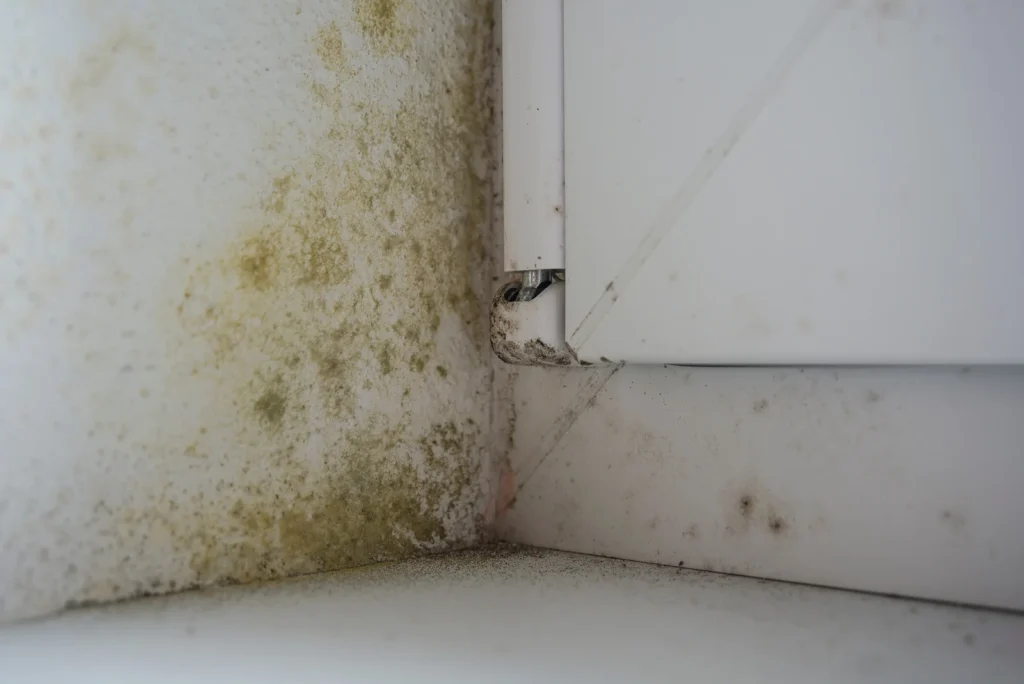
Mould in commercial buildings is more than an eyesore. It’s a workplace health risk, a compliance minefield, and a potential legal disaster if ignored. For landlords, the stakes are high: Safe Work Australia makes it clear that mould exposure is a workplace safety issue, and failure to act can lead to tenant claims, costly litigation, and reputational damage.
This article breaks down what you need to know about mould remediation regulations, how Safe Work Australia frames your responsibilities, and why working with certified experts like Trade Select Building Restoration is the fastest way to safeguard your tenants, your properties, and your compliance obligations.
The Hidden Liabilities of Ignoring Mould in Commercial Properties
Mould is classified as a biological hazard under Safe Work Australia’s guidance on workplace exposure standards. That means if tenants or employees are exposed to mould spores, landlords and property managers can be held responsible. Legal, financial, and health risks under Safe Work Australia’s workplace safety rules.
The risks stack up quickly:
-
Health claims:
Tenants can lodge complaints or seek compensation for respiratory illness, allergies, or occupational asthma linked to mould exposure.
-
Regulatory action:
Non-compliance with workplace health and safety laws can result in penalties, improvement notices, or legal enforcement.
-
Financial loss:
Vacant tenancies, emergency remediation, and reputational damage often cost far more than proactive compliance.
For commercial landlords, ignoring mould is no longer an option. Safe Work Australia’s position is clear: duty of care includes ensuring properties are free from hazards, and that includes mould.
How to Align Your Property with National Mould Remediation Regulations
Practical steps every landlord should take to meet workplace safety standards. Safe Work Australia provides practical guidance, but the key to compliance lies in action. Here’s what landlords should implement immediately:
1. Inspection & Risk Assessment
Schedule regular inspections of high-risk areas such as basements, HVAC systems, and bathrooms. Look for visible signs like staining, warping, or musty odours.
2. Moisture Mapping & Testing
Mould is a symptom, moisture is the cause. Trade Select uses a 7-step moisture mapping process with thermal imaging and hygrometers to identify hidden water damage before it leads to contamination.
3. Containment & Remediation
If mould is present, remediation must follow strict containment procedures. This includes isolating the affected zone, using negative air machines, and removing contaminated materials in line with IICRC S520 standards.
4. Air Quality Control
Safe Work Australia emphasises air safety. That means landlords must ensure proper ventilation, filtration, and monitoring post-remediation.
5. Documentation & Reporting
Detailed reports protect landlords. A remediation log, including inspection findings, testing results, and clearance certificates, demonstrates due diligence in case of regulatory inquiry.
By embedding these practices into your property management process, you not only protect tenants but also shield yourself from regulatory risk. If you’re unsure whether your building meets these requirements, call 1800 953 584 today and book a compliance assessment with Trade Select.
Why IICRC S520 and Safe Work Australia Recommendations Work Hand in Hand
Ensuring professional remediation practices reduce liability and keep tenants safe. Many landlords think that fixing mould is a matter of cleaning surfaces with bleach. But regulators and courts don’t see it that way.
Safe Work Australia aligns closely with international standards, specifically the IICRC S520: Standard and Reference Guide for Professional Mould Remediation. Trade Select technicians are IICRC-certified, which means every remediation follows global best practice:
-
Assessment-driven approach:
No remediation begins without a thorough inspection and moisture source identification.
-
Containment protocols:
Mould spores are microscopic, improper handling can spread contamination through HVAC systems and neighbouring tenancies.
-
Source removal over cover-up:
Professional remediation removes affected materials rather than masking the problem with paint or chemicals.
-
Verification & clearance:
Independent air quality tests and clearance reports confirm that remediation meets workplace safety requirements.
When landlords align their remediation practices with IICRC S520 and Safe Work Australia recommendations, they gain defensible compliance and peace of mind that tenants are protected.
Partner with Certified Experts Who Guarantee Compliance
Trade Select’s proven track record in workplace safety and mould remediation. As a commercial landlord, your compliance responsibilities don’t stop at routine maintenance. When mould strikes, you need experts who not only remove the hazard but also document the process to protect you from liability.
That’s where Trade Select Building Restoration stands apart:
- Certified technicians trained to IICRC S520 and S500 standards.
- Safe Work Australia-aligned protocols for workplace safety compliance.
- Comprehensive reporting that satisfies insurers, regulators, and tenant inquiries.
- 24/7 emergency response across Victoria, New South Wales, and Tasmania.
Trade Select’s diagnostic-to-remediation approach, beginning with moisture mapping and ending with a full restoration plan, ensures that mould is eliminated at its source and compliance is demonstrable.
For landlords, this means fewer disputes, fewer vacancies, and total confidence that your property portfolio meets workplace safety standards. Don’t wait until mould becomes a compliance breach. Call Trade Select today on 1800 953 584 or book a site inspection at tradeselectbuildingrestoration.com.au/contact-us.
Here’s What Landlords Often Ask Before Booking
Q: Is mould really considered a workplace safety issue?
Yes. Safe Work Australia classifies mould exposure as a biological hazard under workplace health and safety laws. Landlords are obligated to ensure tenants and employees aren’t exposed to these risks.
Q: What happens if I don’t act quickly?
Delays increase tenant health risks and escalate remediation costs. Regulators can issue improvement notices or fines, and tenants may pursue legal claims.
Q: Can my regular cleaners handle mould?
No. General cleaning does not meet Safe Work Australia or IICRC S520 remediation standards. Only certified professionals can deliver compliant remediation.
Q: Will I receive documentation for compliance?
Absolutely. Trade Select provides full inspection reports, moisture maps, remediation logs, and clearance certificates, essential for insurers, auditors, and regulatory bodies.
Q: Do you cover multiple states?
Yes. Trade Select operates across Melbourne, Geelong, Sydney, the Central Coast, and Hobart, offering national coverage for multi-site landlords.
Take Action Today
Mould in your building is not just a maintenance issue, it’s a compliance obligation under Safe Work Australia. Every day you delay increases liability and risks your tenants’ health.
Trade Select Building Restoration has over 15 years of expertise, a certified team, and a proven framework for keeping commercial properties compliant, safe, and tenant-ready. Call 1800 953 584 now or complete the contact form at tradeselectbuildingrestoration.com.au/contact-us to secure your compliance and protect your investments today.
