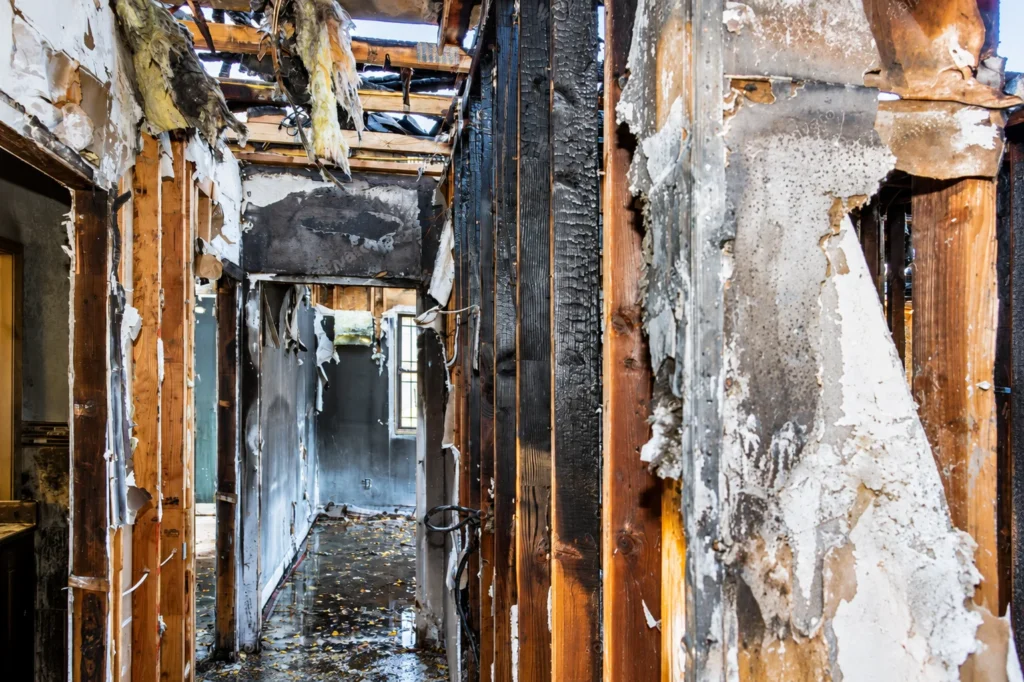
Water can move beneath flooring and into wall cavities. Fire can leave soot, smoke residue and persistent odours beyond visibly damaged areas. Moisture can also remain inside building materials after surfaces appear dry, creating conditions where mould may develop.
For property owners and managers, the challenge is not simply repairing what can be seen. The affected areas need to be assessed, immediate risks controlled, restoration work completed in the right sequence and repairs coordinated once remediation is finished.
Our approach to building restoration in Melbourne brings these stages together. We assess the affected areas, identify the work required and coordinate the appropriate restoration services so there is a clear path forward from the start.
One Restoration Team Can Simplify Property Recovery
A damaged property can require several technical services. When each stage is handled as a separate job, property owners may be left working out which contractor should attend first, whether one stage is sufficiently complete for another to begin and who is responsible for the overall scope.
We approach the property as one restoration project.
Assessment informs mitigation. Drying or remediation may need to be completed before repairs start. Cleaning and reinstatement need to reflect the conditions identified on site.
Building Restoration Services in Melbourne
Our restoration services cover core areas including water damage restoration, structural drying, mould remediation, fire damage restoration, contents restoration, site assessment and restoration project management.
The services required depend on the type of damage and the condition of the property.
| Type of damage | What needs to be understood | Services that may be required |
| Water damage | Where water has travelled and whether moisture remains within building materials | Extraction, moisture assessment and structural drying |
| Fire and smoke damage | The extent of soot, smoke residue, odours and affected contents or surfaces | Specialist cleaning, odour treatment and contents restoration |
| Mould damage | The affected area and the moisture conditions associated with the growth | Inspection, containment, moisture investigation and remediation |
We define the restoration scope from the conditions found at the property rather than applying the same process to every incident.
Coordinating Restoration Work Around One Plan
Restoration work often involves clear dependencies.
Repairs should not begin over unresolved moisture. Cleaning requirements after a fire depend on the type and extent of contamination. Mould remediation needs to address both the affected materials and the moisture conditions associated with the growth.
Problems can arise when each contractor sees only one part of the project.
Our restoration project management capability allows relevant stages and trades to be coordinated around one overall plan. For homeowners, commercial property managers and insurance stakeholders, this creates clearer communication and reduces the need to manage several disconnected scopes of work independently.
How We Assess Property Damage
Visible damage often tells only part of the story.
A stained wall may indicate a surface issue, or moisture may have travelled into plasterboard, insulation, flooring or adjoining materials. Fire damage can extend beyond areas touched by flames because soot and smoke residues may move through the building. Visible mould may also indicate moisture conditions that need further investigation before a remediation scope is established.
According to the Victoria State Emergency Service, 6,097 property impact assessments were undertaken during the 2022–23 Victorian flooding emergency, with 976 properties deemed uninhabitable. These figures illustrate the extent of damage major flooding can cause and the importance of assessing affected buildings before planning restoration and repairs.
The initial assessment helps determine what has happened, how far the damage extends and what needs attention next.
Property Damage Assessment, Moisture Mapping and Reporting
Our assessment and reporting services help establish a record of the property’s condition and the restoration work being considered.
For water-related losses, moisture mapping can help identify and track moisture across affected materials and areas. Moisture meters, hygrometers and other assessment methods can provide information about conditions that cannot be judged reliably by appearance alone.
This information can guide decisions about mitigation, drying, remediation and subsequent repairs.
It can also provide useful documentation for property managers, insurers, loss adjusters and other parties who need to understand the extent of the damage and the work being undertaken.
Acting Early Creates a Clearer Path to Restoration
Property damage can change over time. Water may move through porous materials. Damp building components can remain wet after surface water has been removed. Soot residues and odours can continue to affect a property after a fire.
The priority is to identify what needs immediate attention and what requires further investigation or treatment.
Water Damage and Structural Drying in Melbourne
Removing standing water is only one part of water damage restoration.
Moisture can remain within walls, floors, subfloors, timber and other building materials after visible water has gone.
Our structural drying work focuses on these remaining moisture conditions.
Depending on the affected materials and property conditions, drying can involve air movement, dehumidification and targeted drying systems. Moisture readings can then be used to monitor conditions and guide decisions as the drying work progresses.
This provides a more reliable basis for deciding when subsequent work can begin than appearance alone.
A floor may feel dry underfoot while moisture remains elsewhere within the building assembly. Identifying those conditions before repairs begin can help avoid unnecessary additional work later.
Mould, Fire and Smoke Restoration
Mould and fire losses require different restoration methods.
Remediation can involve containment, removal or treatment of affected materials, moisture-source investigation and controls intended to limit the movement of contamination into unaffected areas.
Fire restoration can involve soot removal, smoke residue cleaning, odour treatment and restoration of salvageable contents and surfaces.
The method needs to match the conditions found at the property. Water, mould and fire damage cannot be treated as interchangeable cleaning problems.
Restoration Project Management
Some restoration projects involve a limited area. Others may require work across several rooms, specialist equipment, contents handling, building repairs and communication between several stakeholders.
As the scope grows, coordination becomes more important.
Restoration Management for Homes and Commercial Properties
Our restoration project management service provides a coordinated framework for moving a damaged property towards recovery.
This can include organising restoration stages, monitoring progress, communicating with relevant parties and coordinating trades involved in reinstatement.
For property managers, this reduces the need to determine independently whether drying, cleaning, remediation or building repairs should happen next.
Insurers and adjusters, a coordinated scope can provide clearer information about the work being undertaken.
Homeowners, it provides a central point of contact for the work being managed.
Commercial properties, coordination can also help reduce avoidable disruption by identifying dependencies and keeping the sequence of work clear.
Restoration Can Extend Beyond the Initial Damage
Restoration does not always end once the affected building materials have been treated.
Furniture, furnishings and other contents may have been exposed to water, smoke, soot or contamination. Damaged building elements may require repair after remediation. Odours can also require further treatment after visible residues have been removed.
Our service range allows these requirements to be considered as part of the wider recovery process.
Contents Restoration, Specialist Cleaning and Odour Treatment
Contents affected by an incident can be assessed to determine which items may be suitable for restoration and which require another course of action.
Depending on the type of damage, our services can include contents cleaning, drying and deodorisation. We also provide specialist cleaning services that may form part of the property’s recovery, including carpet, upholstery and hard-surface cleaning.
Odour control may be required after fire, smoke, water or other contamination events. Treatment is selected according to the source and conditions at the site rather than relying on fragrances that simply mask the smell.
Repairs After Restoration
Mitigation and remediation can leave a property ready for repair rather than fully reinstated.
Damaged plaster, flooring, cabinetry, paintwork or other building elements may require further work once restoration is complete. Our repair and maintenance capability allows the process to progress into reinstatement where required.
This reduces another potential handover for the property owner.
The process is straightforward: establish the damage, control the immediate problem, complete the required restoration work and move into repairs once conditions are suitable.
Restoration Planning for Melbourne Properties
We provide restoration services across Melbourne metropolitan areas and surrounding suburbs, working with residential and commercial properties as well as insurance-related restoration projects.
You can find more information about our coverage on our service location page.
Residential, Commercial and Insurance-Managed Restoration
Restoration priorities differ according to the property, the incident and the people involved.
For homeowners, the first questions are often what has been affected, what needs attention and what happens next.
Commercial properties can involve additional considerations such as access, staff, customers and ongoing operations. These factors may influence how restoration work needs to be coordinated.
Insurance-managed losses can involve communication between several parties, including insurers, adjusters, brokers, builders and property managers. Assessment information, reporting and a defined scope can support clearer communication as the project progresses.
The technical work is determined by the damage and property conditions. The way the project is managed also needs to reflect the people, access requirements and stakeholders involved.
From Initial Enquiry to Restoration Scope
Property damage can create pressure to make decisions quickly, particularly while water, contamination or building damage is still affecting the property.
The first useful step is to establish the property’s condition and determine what requires attention.
What Happens After You Contact Us
After you contact us, we can discuss what has occurred and determine the appropriate next step based on the situation.
A restoration project may progress through assessment, mitigation, moisture or contamination investigation, specialist restoration work, monitoring and subsequent repairs where required.
The exact sequence depends on the incident, affected materials and property conditions.
The aim is to move from uncertainty towards a defined restoration scope.
When to Arrange a Building Restoration Assessment
Consider arranging an assessment promptly if there is active water damage, suspected hidden moisture, fire or smoke contamination, mould growth or uncertainty about how far property damage has spread.
An early investigation can provide better information about the work that may be required and identify conditions that are difficult to judge from the surface.
Building Restoration FAQs
How quickly should I arrange an assessment after property damage?
Arrange an assessment as soon as practical if the property is affected by ongoing water, moisture, smoke, soot, mould or other damage that may continue to affect building materials.
The first step is to understand the source, affected areas and immediate mitigation requirements before establishing the restoration scope.
Can one company manage water, fire and mould restoration?
We provide services across water damage restoration, structural drying, mould remediation, fire damage restoration, contents restoration and associated recovery work.
The combination required depends on the property, so we assess the damage first and coordinate the relevant restoration disciplines from there.
Do I need structural drying if the surface already looks dry?
Appearance alone cannot confirm the moisture condition of materials beneath or behind the surface.
Moisture assessment can help determine whether flooring, walls, cavities or other building materials still require drying before repairs proceed.
Can you coordinate repairs after the initial restoration work?
Our service offering includes restoration project management as well as repair and maintenance work.
Depending on the scope, we can coordinate progression from mitigation and restoration into the repair stage so the recovery process remains connected.
Can you work with insurers, property managers and other stakeholders?
Yes. We work across residential, commercial and insurance-related restoration projects, including situations involving insurers, adjusters, brokers, builders and property managers.
Assessment, reporting and project coordination can help keep relevant parties informed about the damage and restoration work.
How much does building restoration in Melbourne cost?
Restoration costs depend on the type of incident, extent of affected materials, access conditions, required equipment, contamination, drying or remediation needs and any repairs required afterwards.
The property needs to be assessed before a responsible scope or cost can be developed.
What can happen if I delay restoration work?
The consequences depend on the type of damage.
Moisture may move into additional materials, unresolved damp conditions can complicate later repairs, and smoke, soot or contamination may require further treatment if conditions change.
An earlier assessment provides more information for deciding what should happen next.
Arrange a Building Restoration Assessment
Water, fire, smoke and mould damage can extend beyond what is immediately visible.
A clear assessment helps establish what has been affected, what requires attention and which restoration stages should follow. Depending on the property, the work may involve moisture mapping, structural drying, mould or fire restoration, contents work, specialist cleaning, project management and repairs.
Trade Select Building Restoration can assess the damage, identify the appropriate restoration services and coordinate the relevant stages of the recovery process.
If you need building restoration in Melbourne, contact Trade Select Building Restoration to discuss what has happened and establish the next practical step.