 Skip to content
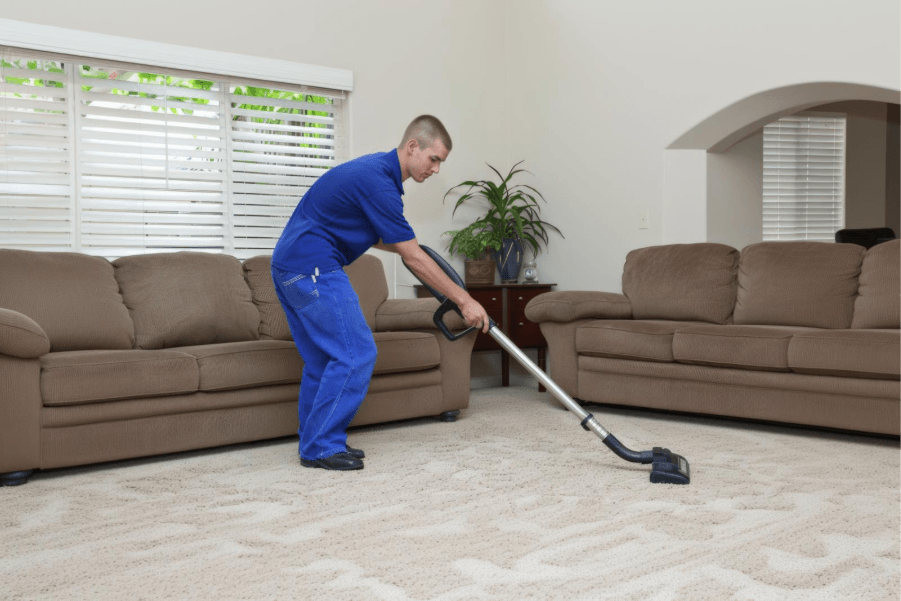
Water damage in commercial environments is disruptive, costly, and often unavoidable. From burst pipes and stormwater ingress to plumbing faults, wet carpets can quickly affect daily operations. Understanding modern Flooded Carpet Drying Solutions allows businesses to respond effectively while reducing downtime and long-term damage.
This article explains how low moisture methods work, why they are suitable for commercial settings, and how professional Drying Solutions support faster recovery without unnecessary disruption. The focus is on education and practical insight rather than promotion.
The Real Impact of Flooded Carpets in Commercial Properties
When carpets become saturated, the issue goes beyond surface appearance. Moisture can travel into carpet backing, underlay, and even subfloor layers. If not addressed correctly, this can affect indoor conditions and building materials.
Common consequences of flooded carpets in business spaces include:
- Restricted access to work areas
- Disruption to staff productivity
- Slip and safety concerns
- Lingering dampness and odours
- Accelerated carpet wear or damage
Effective Flooded Carpet Drying Solutions are designed to address these challenges early, helping businesses regain usable space quickly while protecting their flooring systems.
What Low Moisture Carpet Drying Means
Low moisture carpet drying focuses on reducing the amount of water introduced during the cleaning and drying process. Instead of saturating carpets again, these methods prioritise controlled moisture removal and airflow.
Key characteristics of low moisture Drying Solutions include:
- High powered water extraction
- Targeted airflow across carpet surfaces
- Reduced reliance on excess water
- Continuous moisture monitoring
This approach is particularly useful in commercial settings where extended drying times can interfere with normal operations.
How Low Moisture Methods Minimise Business Downtime
Downtime is one of the most significant costs associated with water damage. The longer carpets remain wet, the longer areas may need to remain closed or restricted.
Low moisture Flooded Carpet Drying Solutions help reduce downtime by:
- Accelerating evaporation through controlled airflow
- Preventing moisture from spreading to unaffected areas
- Allowing carpets to return to use sooner
- Reducing the likelihood of follow up remediation
In many cases, affected spaces can be safely reoccupied much faster than with traditional drying approaches.
The Science Behind Effective Drying Solutions
Successful carpet drying is based on managing moisture movement and evaporation. Water naturally moves from areas of high concentration to low concentration when conditions are optimised.
Low moisture Drying Solutions typically rely on:
- High velocity air movers to increase airflow
- Dehumidifiers to remove moisture from the air
- Temperature control to support evaporation
- Moisture meters to track drying progress
By combining these elements, moisture is drawn out of carpet fibres and removed from the indoor environment in a controlled manner.
Traditional Methods Versus Low Moisture Flooded Carpet Drying
Traditional carpet drying methods often involve extensive wet cleaning followed by passive drying. While effective in some cases, this approach may not suit commercial environments where time is limited.
Low moisture Flooded Carpet Drying Solutions differ in several key ways:
- Less water is added to the carpet
- Drying times are typically shorter
- Moisture is removed more precisely
- Disruption to daily operations is reduced
For businesses, this difference can have a direct impact on recovery timelines and overall costs.
Indoor Environment and Health Considerations
Prolonged moisture in carpets can influence indoor conditions, especially in enclosed commercial spaces. Damp materials may affect air quality and comfort levels if not addressed promptly.
Low moisture Drying Solutions help manage these risks by:
- Reducing the duration carpets remain wet
- Limiting conditions that support microbial growth
- Preventing persistent damp odours
- Supporting healthier indoor environments
This is particularly important in offices, hospitality venues, and public facing spaces where occupant comfort matters.
When Professional Flooded Carpet Drying Solutions Are Needed
While minor spills can sometimes be managed internally, larger scale flooding requires specialised assessment and equipment. Knowing when to engage professional assistance can prevent long term issues.
Professional Flooded Carpet Drying Solutions are recommended when:
- Water has soaked through to underlay or subfloor
- Large carpeted areas are affected
- Moisture has been present for extended periods
- Business continuity is a priority
Specialists use structured processes to assess moisture levels and apply appropriate Drying Solutions based on the specific conditions of the site.
The Importance of Moisture Assessment During Drying
Visual dryness does not always mean carpets are fully dry. Moisture can remain trapped beneath the surface, leading to ongoing issues if overlooked.
Low moisture Drying Solutions rely on regular moisture assessment, which may include:
- Surface moisture readings
- Subsurface checks where accessible
- Monitoring progress throughout the drying process
- Confirming dryness before equipment removal
This methodical approach helps ensure carpets are restored properly rather than prematurely returned to service.
Long Term Advantages of Low Moisture Carpet Drying
Beyond immediate recovery, low moisture Flooded Carpet Drying Solutions offer lasting benefits for commercial properties.
These benefits include:
- Reduced risk of carpet delamination
- Improved carpet longevity
- Fewer recurring moisture related issues
- Consistent appearance and performance
From a facility management perspective, efficient drying supports both asset protection and operational stability.
Preparing for Future Carpet Flooding Events
While water incidents cannot always be prevented, preparation can significantly reduce their impact. Understanding Drying Solutions and response options allows businesses to act quickly and confidently.
Preparation may involve:
- Having a response plan in place
- Understanding the value of low moisture methods
- Knowing when professional assistance is required
- Acting promptly when water intrusion occurs
Being informed helps minimise disruption and supports faster recovery when unexpected events arise.
Restore Flooded Carpets with Less Business Disruption
Flooded carpets do not have to result in extended downtime or long term damage. With the right knowledge and approach, businesses can recover efficiently and safely. Low moisture Flooded Carpet Drying Solutions, as applied by Trade Select Building Restoration, focus on controlled moisture removal, faster drying, and reduced disruption, making them well suited to commercial environments.
By understanding how modern drying solutions work and when they should be applied, business owners and facility managers can make informed decisions that protect both their operations and their flooring investments, with guidance from experienced restoration providers such as Trade Select Building Restoration.
