 Skip to content
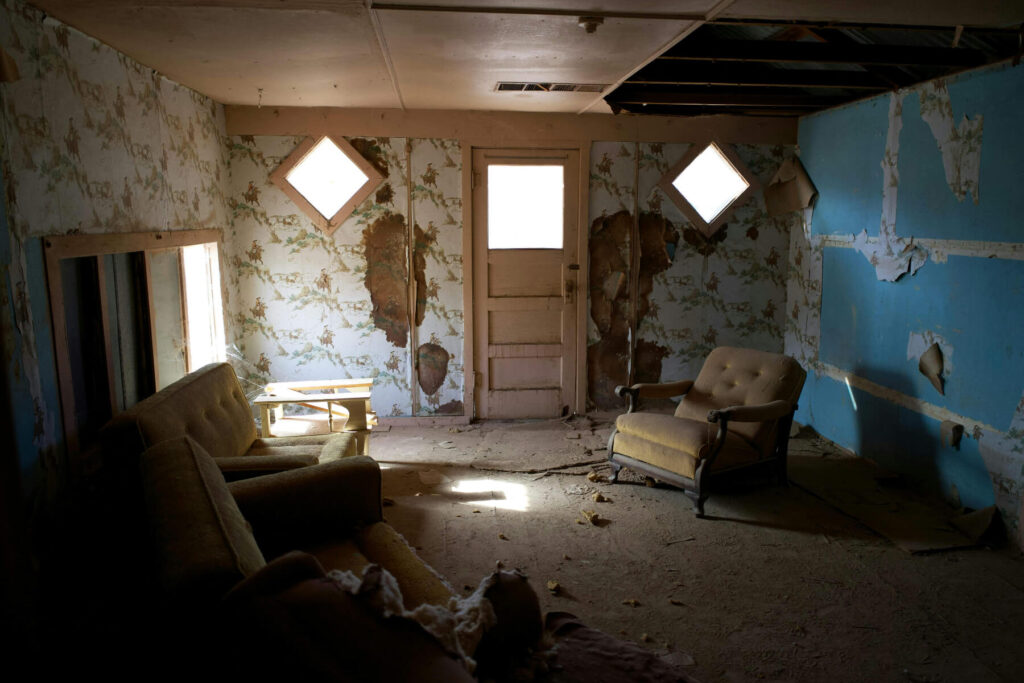
Water damage can turn your home from a safe haven into a costly nightmare. From burst pipes to slow leaks that go unnoticed for months, the consequences can be devastating. In Melbourne, where unpredictable weather patterns and aging infrastructure play a role, protecting your home against water damage isn’t just a precaution—it’s a necessity.
The good news? Preventing water damage doesn’t have to be complicated. A few proactive steps can save you from expensive repairs, mold growth, and structural issues down the line. Whether you’re a homeowner or a renter, these ten simple steps can help safeguard your property against unwanted water intrusion.
1. Inspect and Maintain Your Roof Regularly
Your roof is your home’s first line of defense against rain and storms. A small crack or missing shingle might not seem like a big deal, but over time, water can seep in and cause serious damage.
Action Steps:
- Check for cracked, curling, or missing shingles twice a year.
- Clean gutters and downspouts to prevent water buildup.
- Inspect your attic for signs of leaks, such as water stains or mold.
Ignoring roof maintenance could mean dealing with major water damage restoration sooner than you’d like.
2. Clean and Maintain Gutters and Downspouts
Clogged gutters lead to water overflowing onto your walls, foundation, and basement. A simple routine cleaning can prevent long-term issues.
Action Steps:
- Remove leaves and debris from gutters every few months.
- Ensure downspouts direct water at least three feet away from the foundation.
- Install gutter guards to minimise buildup.
If rainwater has nowhere to go, it will find a way into places it shouldn’t—and that often leads to costly water damage restoration.
3. Check and Seal Windows and Doors
Water can enter through small gaps around windows and doors, causing rot and interior damage.
Action Steps:
- Apply caulk or weather stripping to seal any cracks.
- Install storm windows for extra protection.
- Inspect for condensation between window panes, as it may indicate a seal failure.
Sealing these weak points keeps your home dry and well-insulated while preventing moisture-related damage.
4. Monitor and Maintain Indoor Plumbing
Leaky pipes, dripping faucets, and hidden pipe bursts can lead to major issues before you even notice them.
Action Steps:
- Check under sinks for signs of leaks.
- Replace old or corroded pipes.
- Install leak detection devices for early warnings.
A water damage restoration technician can help identify potential plumbing issues before they escalate into costly disasters.
5. Inspect and Maintain Appliances
Dishwashers, washing machines, and refrigerators with water dispensers are common culprits of slow leaks.
Action Steps:
- Check hoses for cracks or wear every six months.
- Replace rubber hoses with braided stainless steel for durability.
- Don’t overload washing machines to avoid unnecessary stress on pipes.
A minor leak can escalate into extensive floor and wall damage if left unchecked.
6. Install a Sump Pump in Basements or Crawl Spaces
Melbourne’s sudden storms can lead to flash floods, making sump pumps essential for homes prone to flooding.
Action Steps:
- Test your sump pump every few months.
- Keep a battery backup in case of power outages.
- Clear debris from the sump pump pit to maintain efficiency.
If water damage does occur, having 24/7 water damage restoration available can help mitigate serious issues.
7. Maintain Proper Drainage Around Your Home
Poor drainage can lead to water pooling around the foundation, increasing the risk of structural damage.
Action Steps:
- Ensure the ground slopes away from your house.
- Install French drains or gravel trenches where necessary.
- Avoid planting trees too close to the house, as roots can disrupt drainage systems.
Keeping water away from your home’s foundation is key to long-term protection.
8. Know Where Your Water Main Shutoff Valve Is
A broken pipe or sudden leak can cause massive flooding in minutes. Knowing where your main shutoff valve is can prevent serious damage.
Action Steps:
- Locate your main shutoff valve and ensure it’s functional.
- Teach family members how to turn it off in case of an emergency.
- If leaving for an extended period, turn off the water supply to avoid unexpected leaks.
Quick action can prevent thousands of dollars in water damage restoration costs.
9. Monitor Water Pressure and Use Smart Water Sensors
High water pressure can strain pipes and lead to bursts, while unnoticed leaks can slowly cause damage over time.
Action Steps:
- Use a pressure gauge to ensure levels stay between 40-60 PSI.
- Install a pressure regulator if needed.
- Set up smart water sensors near appliances and under sinks for real-time leak alerts.
Technology can be your best ally in preventing water damage before it spirals out of control.
10. Have a Professional Inspection Annually
Even the most vigilant homeowners can miss early warning signs of water damage. A professional assessment can save you from unexpected repair costs.
Action Steps:
- Schedule an annual inspection with a certified water damage restoration technician.
- Ask about moisture mapping and thermal imaging to detect hidden leaks.
- Get expert advice on further preventive measures tailored to your home’s needs.
Prevention Saves Thousands
Water damage isn’t just an inconvenience; it can lead to severe structural issues, mold growth, and health hazards. By taking these ten proactive steps, you can significantly reduce the risk of costly repairs and keep your home safe from unexpected water damage.
If you ever face an emergency, having access to 24/7 water damage restoration can make all the difference. Don’t wait until it’s too late—protect your home today.
Need professional help? Contact Trade Select Building Restoration for expert water damage restoration in Melbourne. Our team is available 24/7 to handle emergencies and provide tailored solutions to keep your home safe. Call us now to schedule an inspection or get immediate assistance.
