 Skip to content
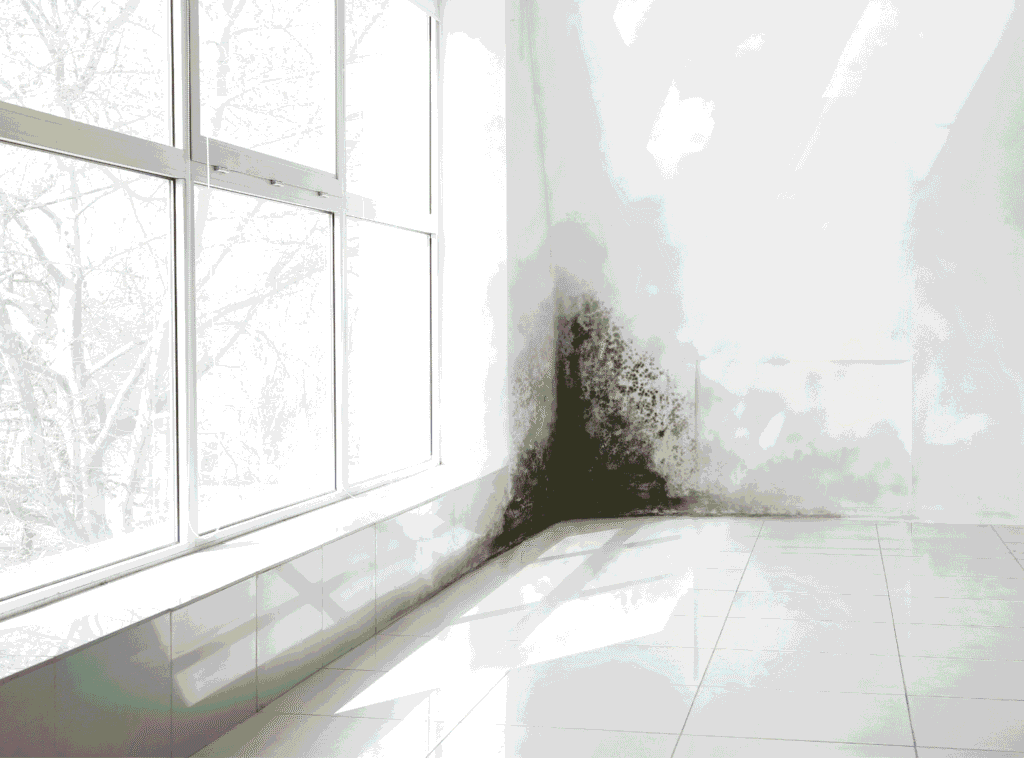
When black mould shows up in a home, office, rental, or commercial site, most people want the same thing. They want to know how serious it is, whether it is spreading, and how quickly it can be dealt with properly. That is exactly where we come in. We provide black mould removal in Bayswater with a focus on fast assessment, safe remediation planning, and practical action that addresses the source of the problem, not just the visible surface growth.
Black mould is rarely just a cleaning issue. In many cases, it is a sign of moisture intrusion, poor ventilation, condensation build-up, or water damage that has not been fully resolved. If the cause is left untreated, the mould usually returns. Our role is to inspect the affected area, identify what is driving the growth, and carry out a remediation process that is structured, safe, and suited to the condition of the property.
Black mould in Bayswater needs more than a surface clean
It is common for property owners to try bleach sprays, supermarket mould products, or quick wipe-downs when they first notice black mould. That can remove staining on the surface for a while, but it often leaves the underlying issue untouched. The mould may still be active in porous materials, hidden cavities, ceiling spaces, wall linings, or damp structural areas.
NSW Fair Trading notes that mould grows in damp conditions where moisture and poor ventilation are present, which is why surface cleaning alone does not resolve the underlying cause of the problem.
That is why black mould removal should begin with assessment, not guesswork. We look at the visible growth, but we also consider what is happening behind it. Has there been a leak? A storm event? A plumbing failure? A long-term humidity issue in a bathroom, laundry, bedroom, or poorly ventilated living space? The answer shapes the remediation plan.
What black mould can point to inside a property
Areas where moisture lingers often become a breeding ground for black mould. That can include water-damaged plaster, damp timber, wet insulation, carpet underlay, cabinetry, skirting boards, or wall cavities. In other cases, repeated condensation creates the right conditions for growth around windows, ceilings, wardrobes, and corners of rooms that do not get enough airflow.
Sometimes the mould patch is small and localised. Sometimes it is not. A dark spot in one room can be the visible part of a broader moisture issue. That is one reason we take inspection seriously from the start.
Why a fast assessment can limit wider damage
Delaying black mould removal does not usually make the job simpler. The contamination can spread, the affected materials can deteriorate further, and the scope of work can increase. In residential settings that can mean more disruption. In commercial settings it can affect staff, tenants, operations, and the timeline for recovery.
A fast inspection helps us determine what is happening now, what needs urgent containment, and what steps will bring the site back under control with the least avoidable delay.
What we do when you call us for black mould removal in Bayswater
When you contact us about black mould, we focus first on the condition of the site and the urgency of the problem. We want to understand where the mould is showing, how long it has been there, whether there has been recent water damage, and whether the affected area is growing or producing odours.
From there, we arrange the next step in the assessment process. For some sites, that means a prompt inspection to determine the source, the spread, and the remediation requirements. For others, especially where there has been water ingress or repeated moisture issues, the inspection also needs to consider drying conditions and hidden dampness.
Initial inspection and site assessment
The first stage is about clarity. We inspect the visible mould, assess the surrounding materials, and look for signs that moisture is still present. If the mould growth is linked to a broader moisture issue, that needs to be part of the remediation plan from the outset.
This stage is also where we determine whether the problem appears isolated or whether further investigation is needed. That matters because mould removal is not just about what can be seen on the day. It is about what is likely to remain active if the site is not treated properly.
Containment and safe removal planning
Once the affected area has been assessed, we determine the most suitable method for safe remediation. Depending on the condition of the site, that can involve containment of the affected zone, controlled cleaning or removal of impacted materials, and measures designed to reduce the risk of cross-contamination during the work.
The goal is straightforward. We want to remove the contamination safely, reduce the chance of further spread, and make sure the work is tied to a clear plan for the moisture source behind it.
Our mould remediation process, step by step
Every mould site is different, but the process should still be disciplined. A rushed clean-up without a proper remediation pathway often creates repeat problems. We approach black mould removal in Bayswater as a staged restoration task, where inspection, remediation, drying conditions, and follow-up all connect.
Assess the affected area and identify the moisture source
This is where proper mould remediation starts. We assess the site, identify where mould is visible, consider how far the issue may extend, and investigate the conditions supporting the growth. If the area has been affected by leaks, flooding, internal plumbing failures, roof issues, or ongoing condensation, the source needs to be addressed as part of the solution.
When black mould is treated without resolving the moisture problem, the result is often temporary. The surface may look better, but the conditions that allowed the growth are still there.
Remove affected materials and clean the site properly
The remediation stage depends on the materials involved and the severity of the contamination. In some cases, surfaces can be cleaned and treated effectively. In others, affected materials may need to be removed and replaced because they cannot be restored safely or thoroughly enough in place.
That distinction matters. Not every mould problem calls for the same response, and not every material should be handled the same way. We tailor the approach to the site rather than forcing the site to fit a generic process.
Support drying and recovery where moisture is still present
If there is residual moisture in the building fabric, the site may also require drying support or further moisture investigation. This is especially relevant after water damage, hidden leaks, or long-standing dampness that has affected walls, floors, or cavities. Mould remediation and moisture control belong in the same conversation. Split them apart, and the outcome often suffers.
When black mould removal becomes urgent
Some property owners notice a small patch and assume it can wait. Sometimes that is not the right call. There are situations where early action is the smarter option because the problem is likely to spread, worsen, or affect more of the property if left in place.
Signs you should book an assessment quickly
Black mould removal becomes more urgent when you notice one or more of the following:
- mould growth spreading across walls, ceilings, joinery, or soft furnishings
- recurring mould in the same area after cleaning
- strong musty odours that suggest hidden contamination
- recent water damage, leaks, roof ingress, or overflowing plumbing
- mould growth in bedrooms, bathrooms, laundries, cupboards, or poorly ventilated rooms
- visible staining around windows, cornices, skirting boards, or plaster joins
A quick inspection helps separate a manageable issue from one that is quietly becoming larger and more expensive to deal with.
Why Bayswater property owners call us instead of waiting
People usually contact us when they want a clear answer and a practical path forward. They do not want vague advice. They want to know what is causing the mould, how serious it is, and what needs to happen next.
That is why we focus on more than surface-level removal. We provide assessment, remediation planning, and access to related restoration support where the site condition calls for it. If the mould issue is linked to water intrusion, building moisture, or broader damage, we approach it as part of the full restoration picture.
We connect mould assessment with remediation and restoration support
Underlying property issues can sometimes lead to the development of black mould. It can follow leaks, storm damage, internal water events, hidden dampness, or persistent ventilation issues. Because of that, it helps to work with a team that understands remediation in the wider context of restoration and moisture control.
We approach black mould as more than a surface issue. Proper assessment, safe removal, and long-term solutions are important to address the conditions contributing to its growth.
We keep the process clear from the first call
One of the biggest frustrations for property owners is uncertainty. They know there is mould, but they do not know what the job will involve or how urgent it really is. Our process is designed to remove that uncertainty early. We assess the site, explain what we are seeing, outline the likely next steps, and help you move forward without unnecessary confusion.
The questions people ask us right before they book
How quickly can you inspect black mould in Bayswater?
That depends on the severity of the issue, the type of property, and current job volume, but the purpose of this page is simple: if you need a fast assessment, contact us straight away so we can understand the urgency and guide the next step.
Do I need mould inspection before removal starts?
In most cases, yes. Inspection helps determine the extent of the mould growth, the materials involved, and the moisture source behind it. Without that, removal can be incomplete or misdirected.
Can black mould come back after removal?
Yes, if the moisture source is not identified and addressed. That is why remediation should not be limited to visible cleaning alone. The underlying cause needs to be part of the solution.
Is it safe to stay in the property during remediation?
That depends on where the mould is, how extensive it is, and what remediation methods are required. Some sites can remain partially occupied. Others may need a more controlled approach. We assess that as part of the planning stage.
What causes black mould to keep returning?
The most common reasons are unresolved moisture problems, hidden leaks, poor ventilation, recurring condensation, or incomplete remediation. If the environment still supports mould growth, the problem often returns.
Can you help with the moisture issue behind the mould?
Yes, where the mould is linked to a broader moisture or restoration issue, we can assess the condition and recommend the next practical step. That is often what makes the real difference between a temporary clean-up and a lasting result.
Book a fast black mould assessment in Bayswater
If you have found black mould in your property, the right next step is not to guess. It is to get the area assessed properly so the cause, the extent, and the safest response are clear from the beginning.
We provide black mould removal in Bayswater with a focus on fast assessment, safe remediation, and practical support for homes and businesses. If the mould is spreading, returning, or linked to recent water damage, contact us now to arrange an urgent quote and take control of the problem before it moves further through the property.
