 Skip to content
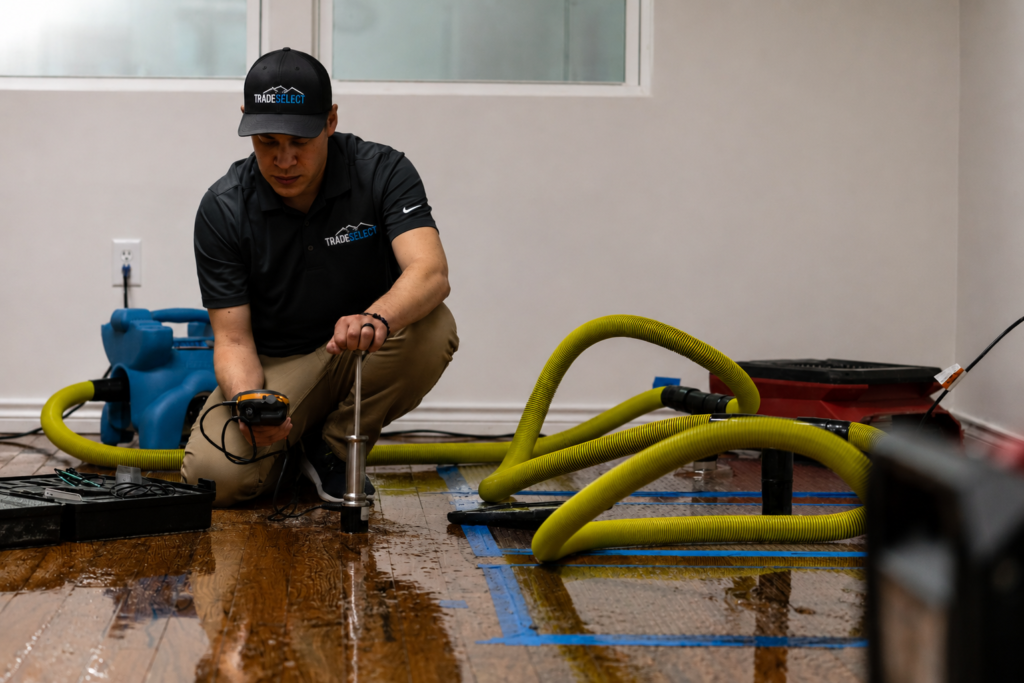
When water gets into a property, the first 24 hours shape almost everything that follows. The visible pooling is only part of the issue. Moisture keeps moving into plaster, flooring, timber, insulation, joinery, contents, and concealed cavities, which means the scope of damage can expand even after the original source has stopped. For us, fast water damage restoration in Melbourne is about limiting that spread, reducing avoidable material loss, and giving homeowners, facilities managers, and commercial owners a clear path forward before the job becomes larger and more disruptive.
We provide water damage restoration, structural drying, moisture mapping, site assessments and reporting, contents restoration, and related repair support as part of a broader restoration service offering. The business is positioned around emergency and insurance focused restoration work across Melbourne and other service regions, with IICRC certified technicians and an emphasis on technical drying and remediation standards.
The damage does not stand still once the water stops
A lot of people assume the situation stabilises once the leak is isolated or the floodwater is removed. In practice, that is rarely how it works. Water travels. It wicks sideways through plasterboard, drops into subfloors, sits under vinyl and carpet underlay, and sinks into timber elements that may still look serviceable on the surface. That is why the first response is never just about getting rid of what you can see. It is about identifying how far the moisture has already moved and where it is likely to keep affecting the building.
What changes in the first few hours
In the early stage, the priorities are safety, source control, extraction, and documentation. Electrical hazards can be present. Slip hazards are common. Finishes can begin to stain, swell, or distort. Soft furnishings and porous contents can start absorbing moisture straight away. In a commercial environment, that first window also affects whether sections of the site can remain operational or need to be isolated.
What usually changes by the 24 hour mark
By the time a full day has passed, the moisture picture is often wider than the eye suggests. Wall cavities may hold trapped dampness. Flooring assemblies can retain water below the visible surface. Joinery and skirtings may begin to deform. Odours can start to develop. And once materials stay damp, the conditions that support mould growth become much more realistic. At that point, the work can move from a relatively contained mitigation job to a more complex drying, remediation, and repair process.
What fast water damage restoration in Melbourne is trying to prevent
Fast action is not just about speed for its own sake. It is about changing outcomes.
Secondary damage to walls, floors, ceilings, and fittings
The longer moisture remains in building materials, the more likely it is that originally salvageable areas become repair items. Ceiling linings can soften. Timber can move. Adhesives can fail. Floor coverings may have to be lifted. Paint systems can blister. In other words, the cost and disruption often come from what happens after the initial event, not only from the event itself.
Conditions that allow mould to take hold
Mould remediation is one of our core services for a reason. Damp building materials, enclosed spaces, and delayed drying create the sort of environment that can turn a water loss into a contamination issue. Not every water incident becomes a mould job, but delaying assessment and controlled drying gives that risk more room to grow.
Longer downtime for homes, strata sites, and commercial properties
For commercial owners and facilities managers, the first 24 hours affect far more than the physical building. Delays can extend access restrictions, slow down tenant recovery, interrupt trading, and complicate insurer communication. Even in a home, the difference between a prompt response and a delayed one can mean the difference between a drying focused program and a much larger reinstatement process.
The first response actions that change the outcome
The goal in the first day is not to guess. It is to stabilise the site, identify the moisture profile, and set up the next step with evidence and control.
Make the site safe before anything else
Safety comes first. That may mean isolating power in affected areas, restricting access, checking for slip hazards, and keeping people away from unstable ceilings or compromised materials. If the property is commercial, it can also mean separating public areas from damaged zones to reduce liability and operational disruption.
Stop the source and document the loss properly
Once the immediate risk is controlled, the source needs to be isolated if that has not already happened. After that, documentation matters. Photos, affected room notes, visible damage records, and a basic timeline of what happened can all support cleaner decision making. For insurance related jobs, early documentation helps reduce confusion later when the drying scope, repairs, and cause discussions begin. The business’s service portfolio specifically includes site assessments and reporting, which fits that need for clear early stage evidence.
Remove standing water and start controlled drying
Extraction and controlled drying are where urgency starts paying off. We do not treat drying as “set up a few machines and hope for the best”. The better approach is to assess material types, moisture load, airflow paths, and the spaces where water is likely to remain hidden. Structural drying is a documented core service in our restoration offering, alongside water extraction and water damage restoration.
Map moisture before hidden damage turns into a bigger job
This is one of the biggest differences between a surface level response and a proper restoration process. A room can look almost dry and still hold a serious moisture problem behind the walls, under the floor, or inside built elements. Moisture mapping helps show where water has actually travelled, which areas need active drying, and which materials can reasonably be monitored instead of removed. That gives everyone a clearer basis for action. Search data tied to the business also shows strong impression volume around moisture mapping and related service terms, which reinforces how commercially relevant this topic is for the site.
Why moisture mapping changes decision making in the first 24 hours
Moisture mapping is not a technical extra for the sake of sounding advanced. It changes the quality of the decisions being made.
What moisture mapping reveals that visual checks miss
Surface appearance can be misleading. Carpet may feel only slightly damp while the underlay is saturated. A wall can present a faint tide mark while the cavity behind it holds a much larger moisture load. Under commercial floor finishes, water can sit in places that are not obvious until odour, lifting, or deterioration starts showing up later. Moisture mapping is designed to catch that hidden spread early.
How accurate readings support restoration planning and insurer conversations
The early stage of a water loss often creates the same questions. How extensive is the spread. What happens next. Accurate moisture data helps answer those questions with something more reliable than guesswork. It also supports cleaner communication when insurers, loss adjusters, property managers, or commercial stakeholders need a documented explanation of scope and next steps. Our research materials consistently position the business as working with insurers, adjusters, brokers, and commercial clients, which makes that reporting angle especially relevant.
What Melbourne property owners and managers usually want to know right away
The first questions are usually practical. Fair enough. When a site is wet, messy, and uncertain, nobody wants theory.
Can parts of the property still be saved?
Often, yes. But the answer depends on how quickly the site is assessed, what type of water is involved, how deeply materials are saturated, and whether contamination is present. Fast action gives us a better chance of preserving more of the structure and contents, particularly where the water event is identified early and the drying plan starts promptly.
Do I need full repairs straight away?
Not always. Emergency mitigation and drying usually come first. Repairs and reinstatement come after the moisture conditions are understood. Our broader service mix includes both restoration and repair related work, which means the immediate response does not have to sit in a vacuum with no path into the next stage.
What should I have ready before I call?
A simple description of the cause, the affected areas, when the incident started or was discovered, whether power has been isolated, and whether photos have been taken is a solid starting point. For commercial properties, access details, tenancy impacts, and any operational restrictions are also worth having ready.
What our first 24 hour response is designed to achieve
In the first day, we are focused on a few outcomes that change the direction of the job.
Stabilise the site
We work to reduce immediate risk, isolate affected areas where required, and stop avoidable escalation.
Identify hidden moisture
We use the restoration and moisture assessment process to understand where water has travelled, not just where it is visible.
Create a clear next step
That includes drying direction, reporting clarity, and a more informed basis for insurer conversations, property decisions, and recovery planning. Because we provide water damage restoration, structural drying, moisture mapping, contents restoration, and site assessments as part of our broader service capability, the first response is designed to lead somewhere practical rather than stall after extraction.
A slower response usually costs more than people expect
The cost of delay is not only financial. It shows up in lost time, longer drying programs, avoidable material replacement, more complicated reporting, and greater disruption for the people using the property. For a home, that can mean more rooms out of action and more upheaval. For a commercial site, it can mean longer downtime and more pressure on staff, tenants, and operations. The first 24 hours do not solve everything, but they do influence whether the problem stays contained or starts spreading into every part of the project. That is the real difference fast action makes.
Questions people ask when the water has only just hit
How quickly should I arrange water damage restoration in Melbourne after a burst pipe or flood?
As quickly as possible. The earlier the site is assessed and the drying process begins, the better the chance of limiting moisture spread and reducing secondary damage.
Can I wait until tomorrow if the water looks contained?
That is risky. Water often moves into hidden materials and cavities even when the surface looks manageable. Waiting can widen the drying scope and increase the chance of mould related issues.
Does water damage always lead to mould if it is not dried fast enough?
Not every job turns into a mould remediation project, but delayed drying increases the conditions that allow mould to develop. Fast moisture control helps reduce that risk.
Will moisture mapping show damage behind walls and under floors?
It can help identify hidden moisture patterns that visual inspections miss, which is one of the reasons it is so useful early in the restoration process.
What should I photograph or record for insurance before restoration starts?
Take clear photos of the source if visible, affected rooms, damaged materials, contents, and any standing water. Note the date, time, and any immediate actions taken. That creates a cleaner record before the site changes during mitigation.
Can a business stay open during drying and mitigation works?
Sometimes, but it depends on the extent of the loss, the affected area, safety conditions, and whether sections of the site can be isolated without creating further risk or disruption.
Get the drying clock started before the damage spreads further
If your property has taken on water, the first 24 hours are not the time to take a wait and see approach. We handle water damage restoration, structural drying, moisture mapping, and early stage restoration support so you can move from uncertainty to an actual plan. If you need fast water damage restoration in Melbourne, contact Trade Select Building Restoration and let’s assess the site before the damage spreads further.
