 Skip to content
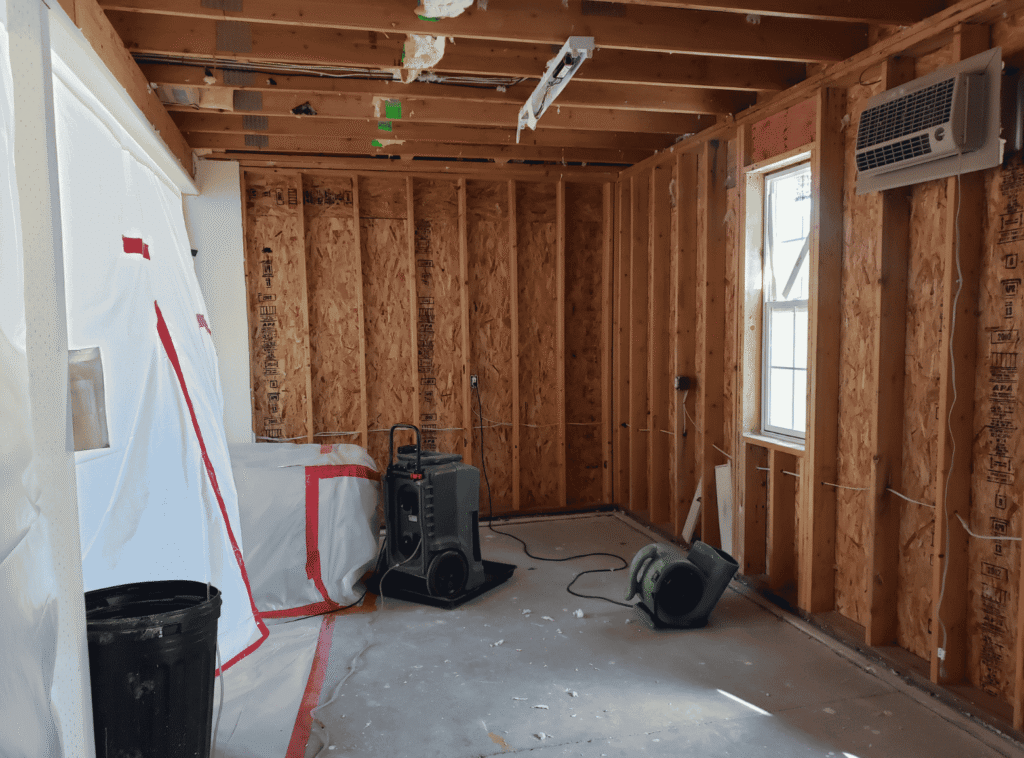
Water damage does not wait. It moves through carpet, plaster, timber, insulation, and wall cavities far faster than most property owners expect. By the time the surface water looks manageable, moisture has often already spread into the structure. That is why emergency water damage restoration in Bayswater needs to start with urgency and follow through with proper drying. A fast response helps reduce secondary damage, shorten disruption, and give affected materials the best chance of being restored rather than replaced.
The first few hours shape the rest of the job
The early stage of water damage is where the biggest difference is made. A slow response gives water more time to soak into floors, skirtings, plasterboard, joinery, and hidden spaces. That extra spread often means a longer drying period, a wider restoration scope, and higher repair costs.
According to Geoscience Australia, flooding is the most costly natural disaster in the country, accounting for around 30% of total disaster costs, which highlights how quickly water-related damage can escalate when not addressed early.
A proper emergency response is built around one outcome. Start the drying clock fast enough to stop the problem from growing. That means identifying what is wet, removing as much water as possible, measuring moisture properly, and setting up a drying plan based on the actual conditions inside the property.
Why water damage in Bayswater needs a fast, structured response
In Bayswater, emergency water damage can come from burst pipes, overflowing fixtures, roof leaks during heavy rain, appliance failures, stormwater ingress, and concealed plumbing issues that stay unnoticed until the damage is already spreading. The cause can look simple at first. The moisture behaviour rarely is.
A single leak in one room can affect the adjoining wall, the flooring below, and the materials on the other side of the visible damage line. Wet carpet can trap moisture in the underlay. Damp plaster can hold water longer than expected. Timber can absorb and release moisture slowly, which extends the drying timeline if the response is delayed.
That is why a rushed clean-up is not enough. The property needs a restoration process that deals with both the visible water and the hidden moisture load.
What happens during an emergency water damage callout
The first step is to understand the incident clearly and act without wasting time. An emergency callout should begin with fast triage, then move straight into inspection, water removal, moisture assessment, and structural drying.
On site, the work usually starts with identifying the source of the damage, assessing affected areas, and determining how far the moisture has travelled. From there, the priority is to stabilise the site and remove as much water as possible. Once extraction is underway, the drying strategy needs to be guided by readings and site conditions, not assumptions.
That is where professional restoration separates itself from surface clean-up. The visible mess may only be a fraction of the actual problem.
Water extraction is only the beginning
Many people assume the job is almost done once the standing water is gone. It rarely works that way. Water extraction is a necessary first stage, though it does not solve what has already been absorbed into the building fabric.
Moisture can remain in wall cavities, behind skirtings, beneath floor coverings, and inside structural materials that still look stable from the outside. Without targeted drying, those areas can stay damp long after the room appears to have recovered.
This is where the drying clock matters most. The sooner moisture levels are measured and controlled, the better the chance of reducing material loss, limiting ongoing deterioration, and preventing the job from dragging out.
Structural drying is what protects the building from longer-term damage
Structural drying is the stage that helps turn a water-damaged property into a recoverable one. It is the controlled process of removing retained moisture from affected building materials and internal spaces until acceptable dryness levels are reached.
That process may involve air movers, dehumidifiers, specialist drying systems, and moisture monitoring across the life of the job. Equipment placement, airflow, and humidity control need to match the layout of the property and the materials involved. A drying setup that works in one room may be inefficient in another.
This part of the job needs ongoing attention. Drying is not something that gets set up and left alone. Moisture levels change over time, which means the plan often needs adjustment during the first day or two and then again as slower materials begin releasing moisture.
Why hidden moisture causes so many restoration problems
The most disruptive part of water damage is often the part you cannot see. Surface drying can happen quickly. Internal drying takes longer and demands more care.
A carpet may feel dry underfoot while the underlay is still wet. A wall may look unaffected while moisture remains inside the cavity. A ceiling stain may appear minor while the surrounding materials continue absorbing water. These are the points where poor decisions get made, usually because appearance is treated as proof.
It is not proof. Moisture has to be measured, tracked, and reduced methodically. That approach protects the property and gives the owner a clearer understanding of what can be restored, what needs further treatment, and what may require repair.
What property owners should do straight away
The first priority is safety. If the source of the water can be stopped safely, do that immediately. Electrical risks, slipping hazards, and water-affected ceilings all need caution. Once the immediate danger is contained, the next step is to arrange a professional assessment before the moisture spreads further.
Delays usually make the job larger. Wet materials do not stay static. They continue holding and transferring moisture, which expands the affected area and makes the restoration process more demanding. Fast action gives the property a better chance of drying efficiently and reduces the likelihood of avoidable follow-up work.
A better response for homes, businesses, and insurance-related jobs
Emergency water damage does not affect every property in the same way. A family home may need quick stabilisation and clear advice on what can be saved. A commercial property may need drying work coordinated around access, disruption, and business continuity. An insurance-related job may need site documentation, moisture records, and a restoration approach that supports the broader claims process.
The response still comes back to the same principle. Act early, document the damage properly, and begin drying before the water has time to create a larger problem.
Emergency water damage restoration in Bayswater starts with speed and control
The goal is not simply to remove water. The goal is to reduce the spread, protect the structure, and start the recovery process with a plan that reflects what the building actually needs. At Trade Select Building Restoration, our approach is focused on fast response, accurate assessment, and controlled structural drying.
For property owners in Bayswater, a fast emergency response can be the difference between a contained restoration job and a much broader repair problem. Starting the drying clock quickly gives the site a stronger path forward and reduces the chance that hidden moisture keeps driving the damage after the obvious mess is gone.
If your property has been affected by a leak, flood, burst pipe, or storm-related ingress, contact us today to request urgent help. Visit our Contact Us page or call our team now to arrange an immediate response and begin the drying process without delay.
